




Introduction to Bodyweight Exercises
Bodyweight exercises have become a popular fitness choice in 2026. They use your own weight to build strength, flexibility, and endurance. You do not need any special equipment. This makes them accessible for everyone, whether you are a beginner or an advanced athlete. Bodyweight exercises are versatile and can be performed anywhere, from your living room to a park. This article will explore the best bodyweight exercises for strength, providing a detailed guide on how to perform them correctly, their benefits, and tips for incorporating them into your workout routine.
The Benefits of Bodyweight Training
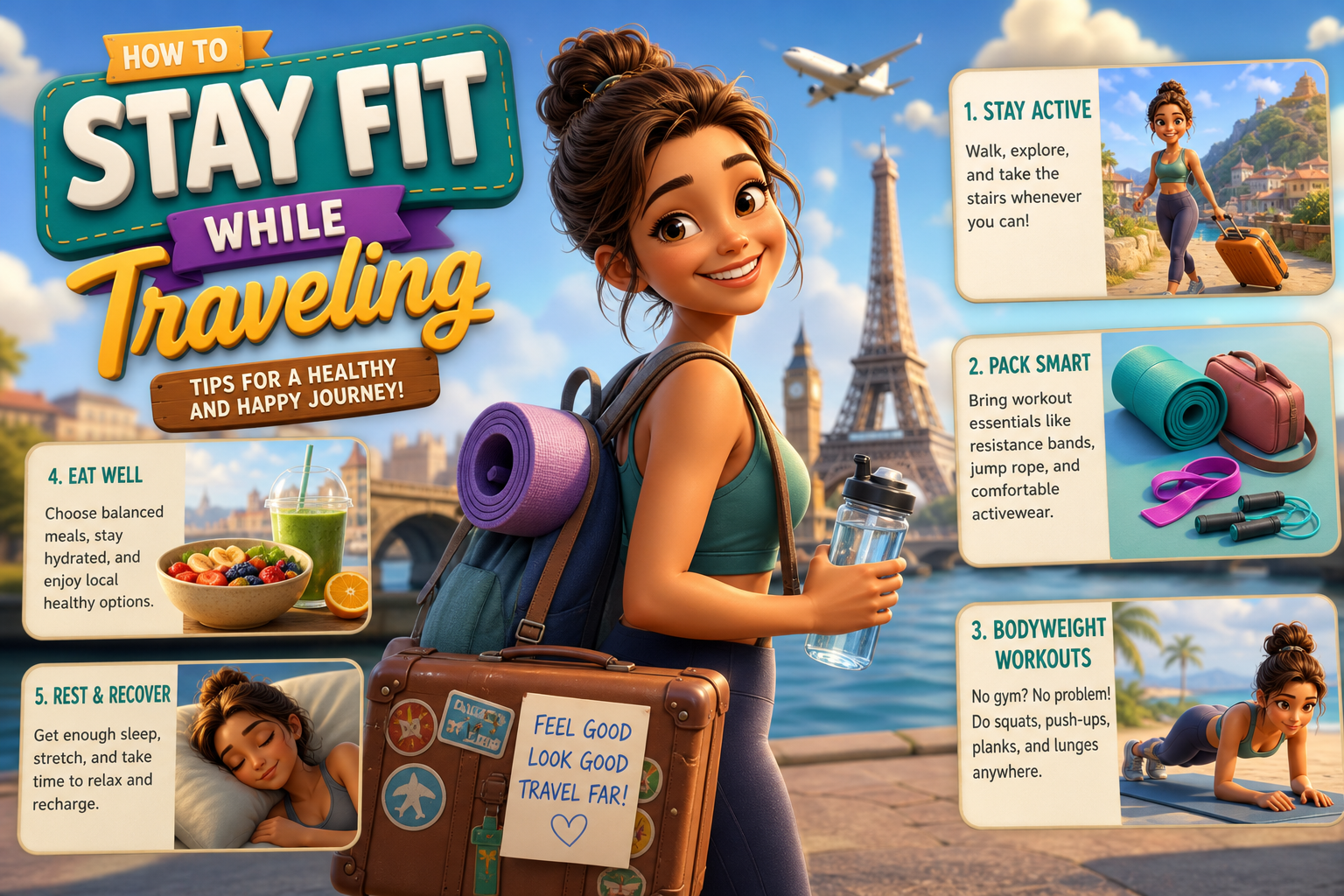
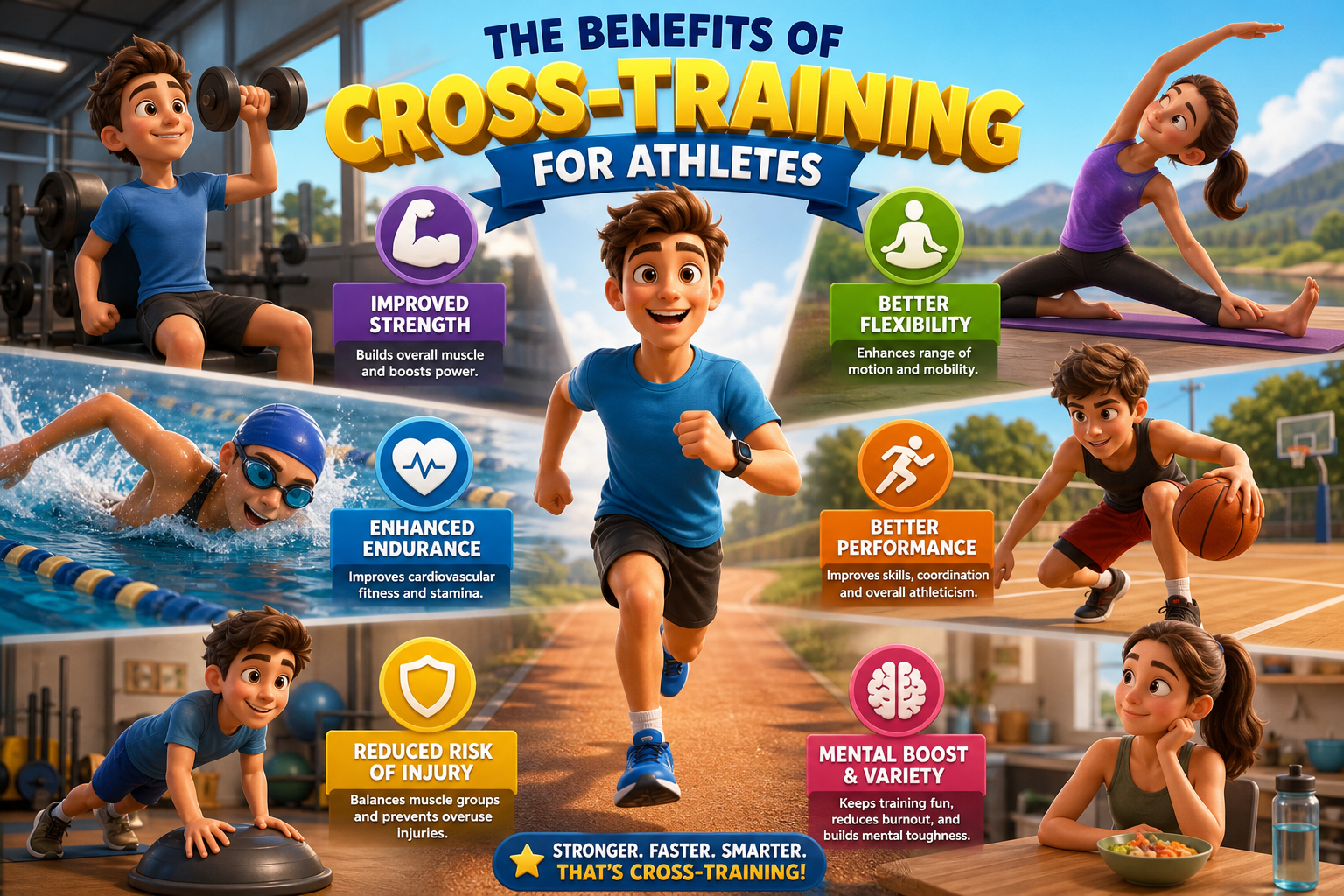
Bodyweight training offers numerous benefits. First, it improves functional strength, which is the ability to perform everyday activities more easily. For example, exercises like push-ups and squats help you lift, push, and pull in daily life. Second, bodyweight exercises enhance flexibility and balance. Movements like lunges and planks require stability, which helps prevent injuries. Third, they can be done anywhere, making them convenient for busy schedules. Finally, bodyweight exercises are excellent for building endurance. You can increase the number of repetitions or duration, challenging your muscles over time.
Essential Bodyweight Exercises for Strength
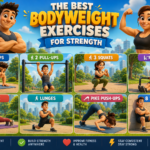
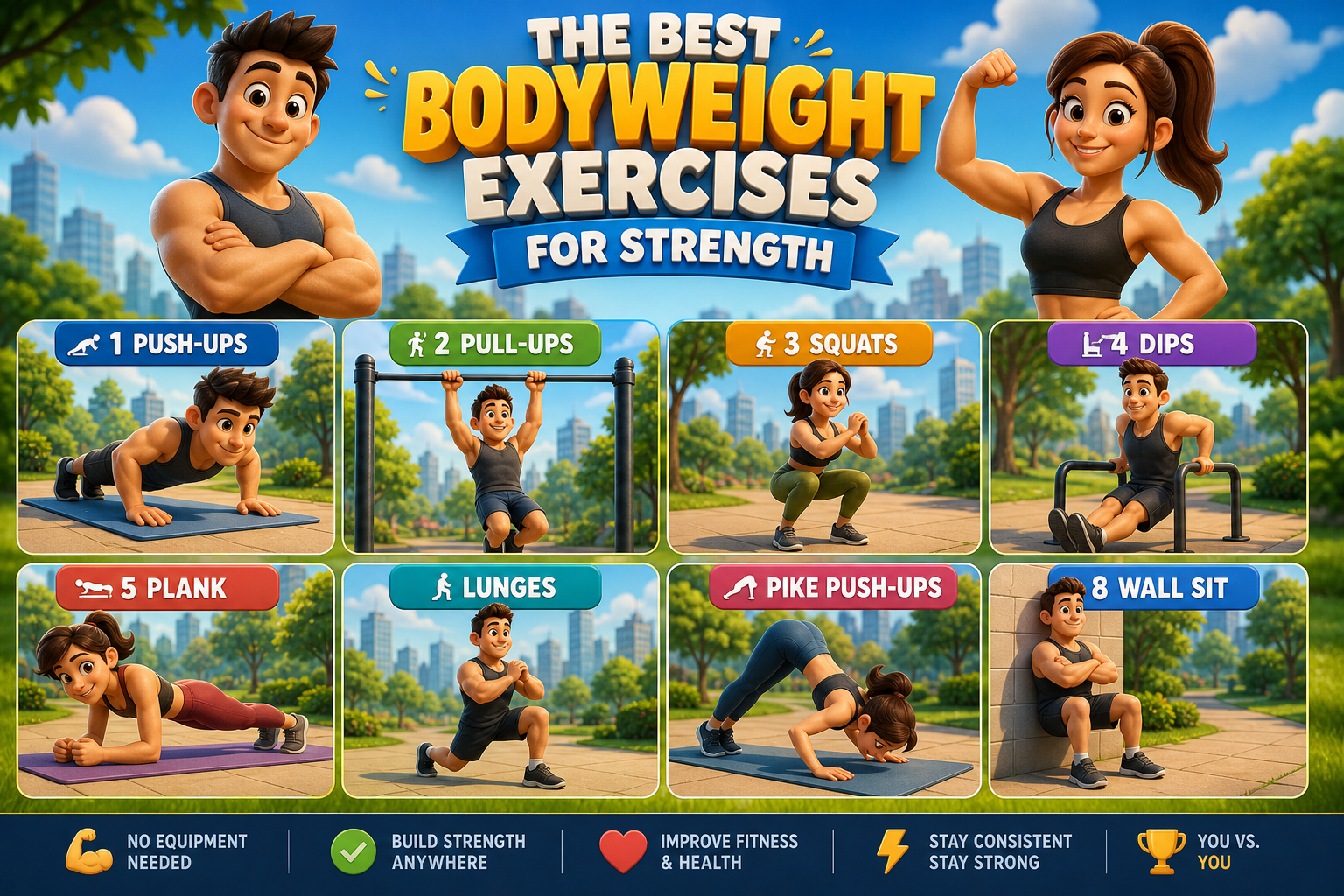
Here are some of the best bodyweight exercises you can do to build strength effectively. Each exercise targets different muscle groups, ensuring a balanced workout. Include these in your routine to maximize your results.
Push-Ups
Push-ups are a classic exercise for building upper body strength. They primarily work the chest, shoulders, and triceps. To perform a push-up, start in a plank position, hands slightly wider than shoulder-width apart. Lower your body until your chest almost touches the ground, then push back up. Aim for three sets of 10 to 15 repetitions. If regular push-ups are too challenging, try knee push-ups or incline push-ups against a wall.
Squats
Squats are a fundamental lower body exercise. They target the quadriceps, hamstrings, and glutes. Stand with your feet shoulder-width apart. Lower your body as if sitting in a chair, making sure your knees do not extend past your toes. Keep your chest up and back straight. Push through your heels to return to standing. Aim for three sets of 15 to 20 repetitions. To increase difficulty, try single-leg squats or jump squats.
Planks
Planks are excellent for building core strength. A strong core supports your entire body and improves stability in other exercises. To do a plank, lie face down and lift your body using your forearms and toes. Keep your body in a straight line from head to heels. Hold this position for 20 to 60 seconds. Start with three sets. You can also try side planks to target your obliques.
Lunges
Lunges are effective for strengthening the legs and improving balance. Begin standing tall, then step forward with one leg, lowering your hips until both knees are at a 90-degree angle. Push back to the starting position and switch legs. Aim for three sets of 10 to 15 lunges on each side. To increase the challenge, try reverse lunges or walking lunges.
Incorporating Bodyweight Exercises into Your Routine
To see results, it is essential to incorporate bodyweight exercises into your fitness routine effectively. Consider the following tips. First, create a balanced workout plan that includes exercises for all major muscle groups. This encourages muscle growth and prevents imbalances. Second, schedule workouts consistently, aiming for at least three times a week. Third, warm-up before each session to prepare your muscles and prevent injury. Finally, cool down and stretch after your workout to aid recovery.
Progression and Variations
As you become stronger, you will want to increase the difficulty of your bodyweight exercises. Progression is key to continued improvement. For push-ups, try adding more repetitions or experimenting with variations such as diamond push-ups. For squats, add a jump or try pistol squats. You can also increase the duration of your planks or add leg lifts to challenge your core further. Always listen to your body and only progress when you feel ready.
Common Mistakes to Avoid
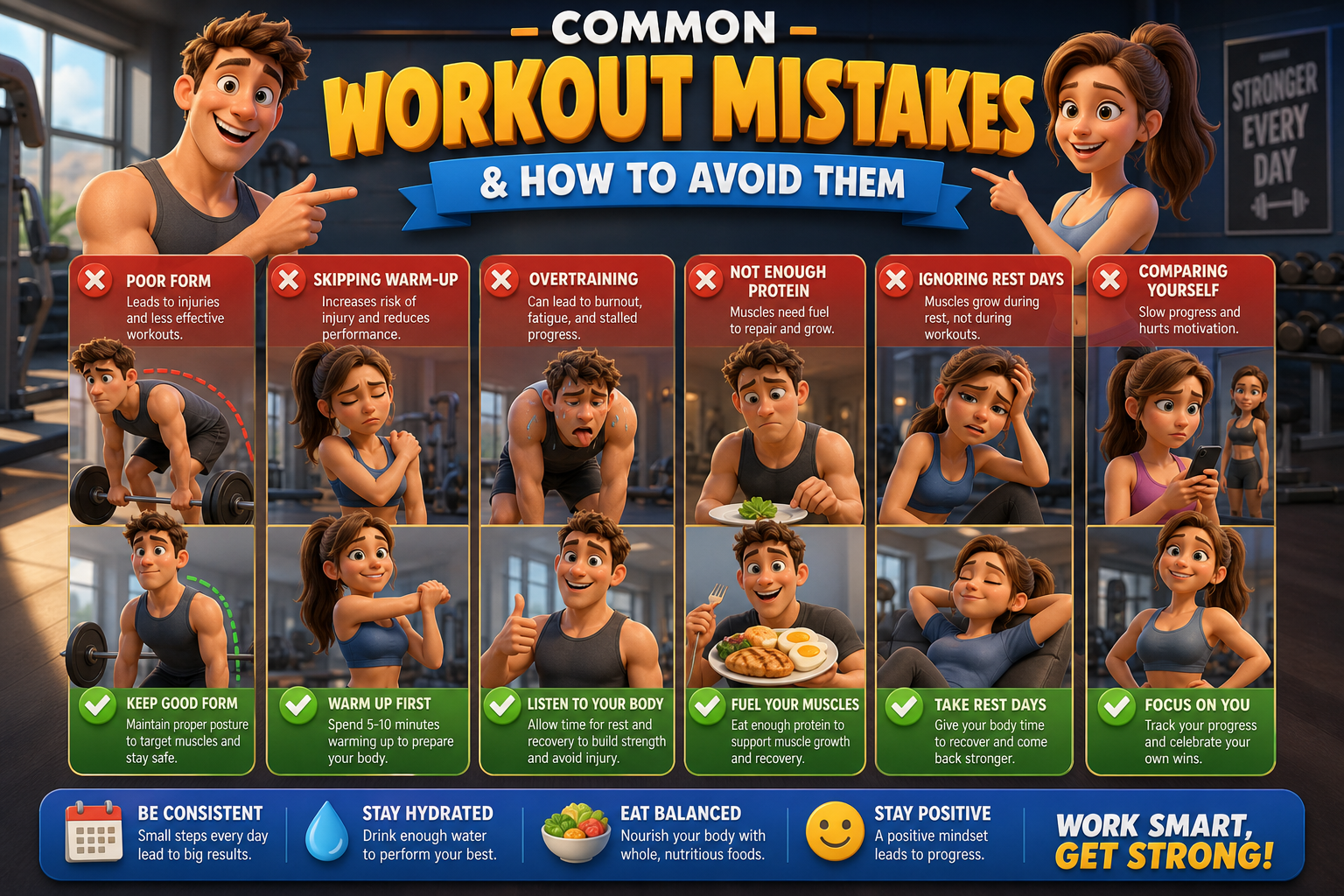
When performing bodyweight exercises, it is easy to make mistakes that can lead to injury or reduced effectiveness. One common mistake is poor form. Always ensure you maintain proper alignment to prevent strain. For instance, keep your knees aligned with your toes during squats. Another mistake is not engaging your core. A strong core supports your movements and helps maintain stability. Lastly, avoid rushing through repetitions. Focus on controlled movements to maximize strength gains.
Tracking Your Progress
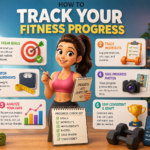
Tracking your progress is essential for staying motivated and achieving your strength goals. Consider keeping a workout journal to log your exercises, sets, and repetitions. You can also take photos or measurements to visualize your progress over time. Additionally, consider setting specific goals, such as increasing the number of push-ups you can do or improving your plank hold time. Celebrate your achievements, no matter how small, to stay motivated.
Conclusion: Start Your Bodyweight Journey Today
Bodyweight exercises are an effective and convenient way to build strength. They require no equipment and can be performed anywhere. By incorporating exercises like push-ups, squats, and planks into your routine, you will improve your strength, flexibility, and endurance. Remember to focus on proper form, track your progress, and challenge yourself with variations as you grow stronger. Begin your bodyweight training journey today and experience the benefits for yourself.