








The Concept of Cross-Training
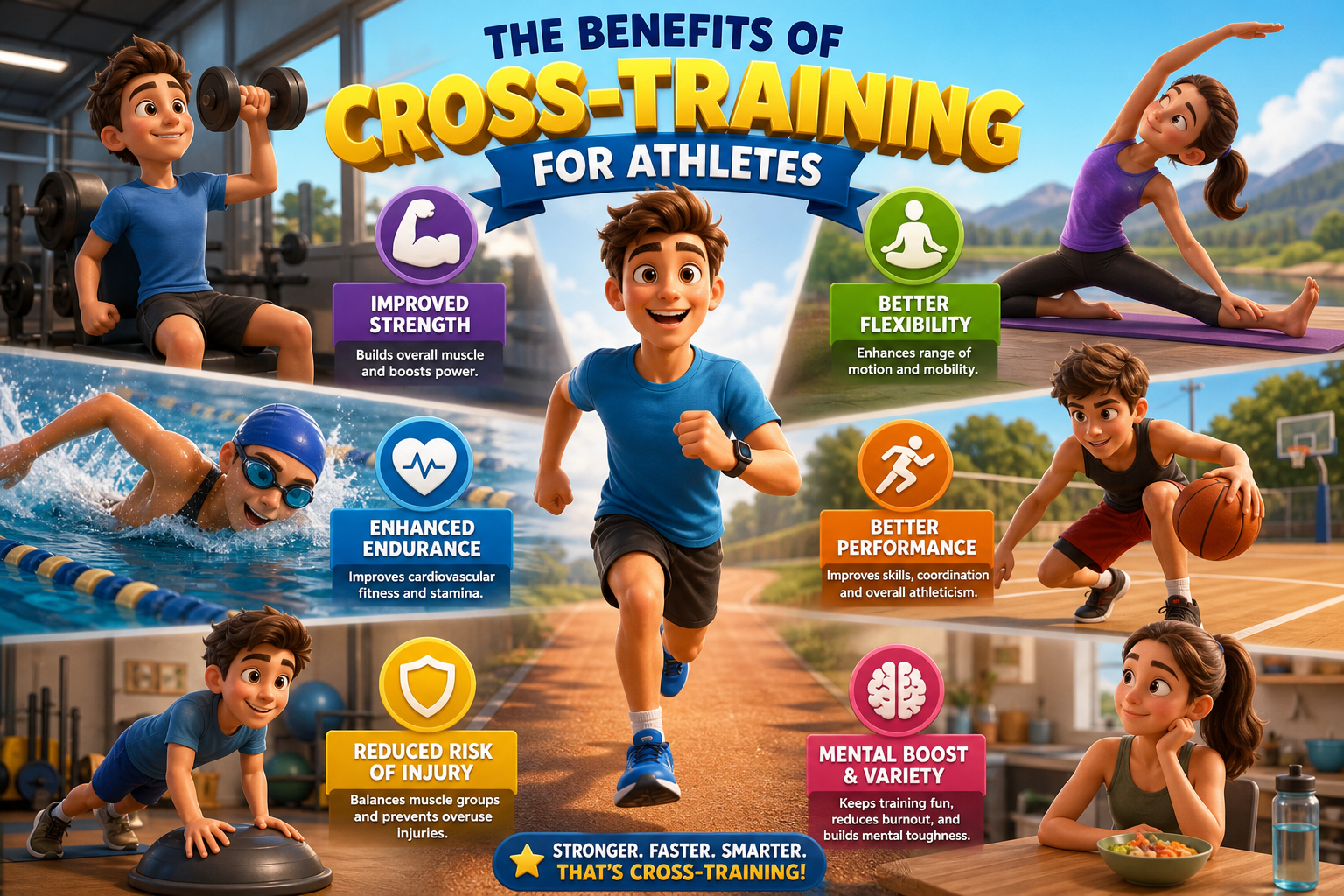
Cross-training refers to a training method that combines different types of exercises to improve overall performance and fitness. For athletes, this means incorporating various activities outside their primary sport. By doing so, they can develop different muscle groups, enhance endurance, and boost flexibility. This approach helps in creating a well-rounded athlete. For instance, a runner might swim, cycle, or even practice yoga to gain strength and prevent injury. This diverse training regime not only improves athletic performance but also keeps workouts interesting and enjoyable. It reduces the risk of burnout and boredom, making training feel fresh and motivating.
In 2026, many athletes are adopting this method to adapt to the increasing demands of their sports. With advancements in technology and fitness tracking, athletes can monitor their progress and adjust their cross-training routines accordingly. They can choose from a wide range of activities, from resistance training to dance, creating a personalized routine that suits their individual needs. This flexibility is one of the key advantages of cross-training that attracts athletes of all levels.
Improved Overall Fitness
One of the significant benefits of cross-training is improved overall fitness. When athletes engage in different activities, they work various muscle groups, which leads to balanced physical development. For example, a basketball player who includes swimming in their routine can enhance cardiovascular endurance while also building upper body strength. This dual benefit helps in achieving a well-functioning body that performs better in competitions.
Moreover, cross-training promotes better heart and lung health. Activities like cycling and swimming are excellent for cardiovascular fitness. They help in improving aerobic capacity, allowing athletes to perform longer and with more intensity. Additionally, engaging in strength training through cross-training can lead to increased muscle mass, which boosts metabolism and aids in fat loss. This combination of activities ultimately creates a stronger and more resilient athlete.
Injury Prevention
Another critical advantage of cross-training is its role in injury prevention. Athletes often focus intensely on their primary sport, which can lead to overuse injuries. By incorporating different exercises, they can reduce the repetitive strain on specific muscle groups and joints. For instance, a runner who cross-trains with cycling can give their knees a break while still maintaining cardiovascular fitness. This strategy helps in preventing injuries that arise from overtraining.
Additionally, cross-training enhances flexibility and mobility. Activities such as yoga and Pilates focus on stretching and strengthening the body. These practices improve range of motion, which is vital for preventing injuries. When athletes have a wider range of motion, they are less likely to suffer from strains or sprains. Therefore, by diversifying their training, athletes can protect themselves from common injuries associated with their primary sports.
Enhanced Performance
Cross-training can lead to enhanced performance in an athlete’s primary sport. By developing various physical attributes, athletes can improve their skills. For example, a soccer player who incorporates strength training will have more power for kicking the ball. Similarly, a sprinter who practices swimming may develop better lung capacity and breathing techniques. These improvements can be game-changers in competitive situations.
Furthermore, cross-training helps athletes to fine-tune their skills. By engaging in different sports, they can learn new techniques and strategies that may apply to their primary sport. For instance, a tennis player who practices agility drills from basketball will enhance their footwork and reaction time. This transfer of skills is highly beneficial in a competitive environment, where every second counts.
Mental Benefits
The mental benefits of cross-training are just as important as the physical advantages. Engaging in a variety of activities can reduce stress and improve mood. Athletes often face intense pressure during competitions. Cross-training provides a break from this pressure and allows for relaxation and enjoyment of movement. Activities like dancing or hiking can be refreshing and help clear the mind.
Additionally, trying new sports can boost confidence. When athletes learn new skills, they often feel more accomplished. This sense of achievement can translate into their primary sport, enhancing their self-belief and perseverance. For example, a swimmer who masters a new stroke may feel more confident during races. This increased confidence can lead to improved performance and a greater willingness to push boundaries.
Time Efficiency
In today’s fast-paced world, many athletes struggle to find time for training. Cross-training offers a time-efficient solution. By combining different activities into one workout, athletes can maximize their training sessions. For instance, a 60-minute workout could include 30 minutes of running followed by 30 minutes of strength training. This combination allows athletes to work on different aspects of fitness in a shorter time frame.
Moreover, cross-training can reduce the need for lengthy sessions focused solely on one activity. Athletes can achieve their training goals more efficiently without compromising quality. This approach is especially beneficial for those with busy schedules, allowing them to maintain fitness without dedicating excessive time to training. As a result, athletes can enjoy a balanced fitness routine that fits their lifestyle.
Social Interaction
Cross-training often provides opportunities for social interaction. Many athletes enjoy the camaraderie that comes from participating in group classes or team sports. Engaging in different activities allows them to meet new people and form connections. This social aspect can enhance motivation and accountability. For example, joining a cycling group can encourage runners to train together and share tips.
Additionally, the supportive environment of cross-training can foster teamwork. When athletes work together, they can push each other to achieve goals and celebrate successes. This sense of community is essential for maintaining motivation and dedication to training. Moreover, sharing experiences with others can lead to valuable insights and new training techniques that can benefit each individual’s performance.
Creating a Cross-Training Plan
To reap the benefits of cross-training, athletes must create a well-structured plan. Start by assessing individual goals and identifying areas for improvement. For instance, a runner might want to build strength and increase flexibility. Based on these goals, select complementary activities. A combination of swimming for endurance, weight training for strength, and yoga for flexibility would be effective.
Next, determine a schedule that balances training sessions. Incorporate cross-training sessions into the weekly routine while allowing time for recovery. A good practice is to alternate high-intensity workouts with low-impact activities. For example, a week could include three running sessions, one swimming session, and two strength training days. This variety ensures that the body gets adequate rest while still making progress in different areas.
Finally, monitor progress and make adjustments as needed. Use fitness tracking apps or journals to record workouts and improvements. This tracking allows athletes to see what works best for them and helps maintain motivation. By following these steps, athletes can effectively incorporate cross-training into their routines and enjoy all its benefits.