





Understanding Gym Safety
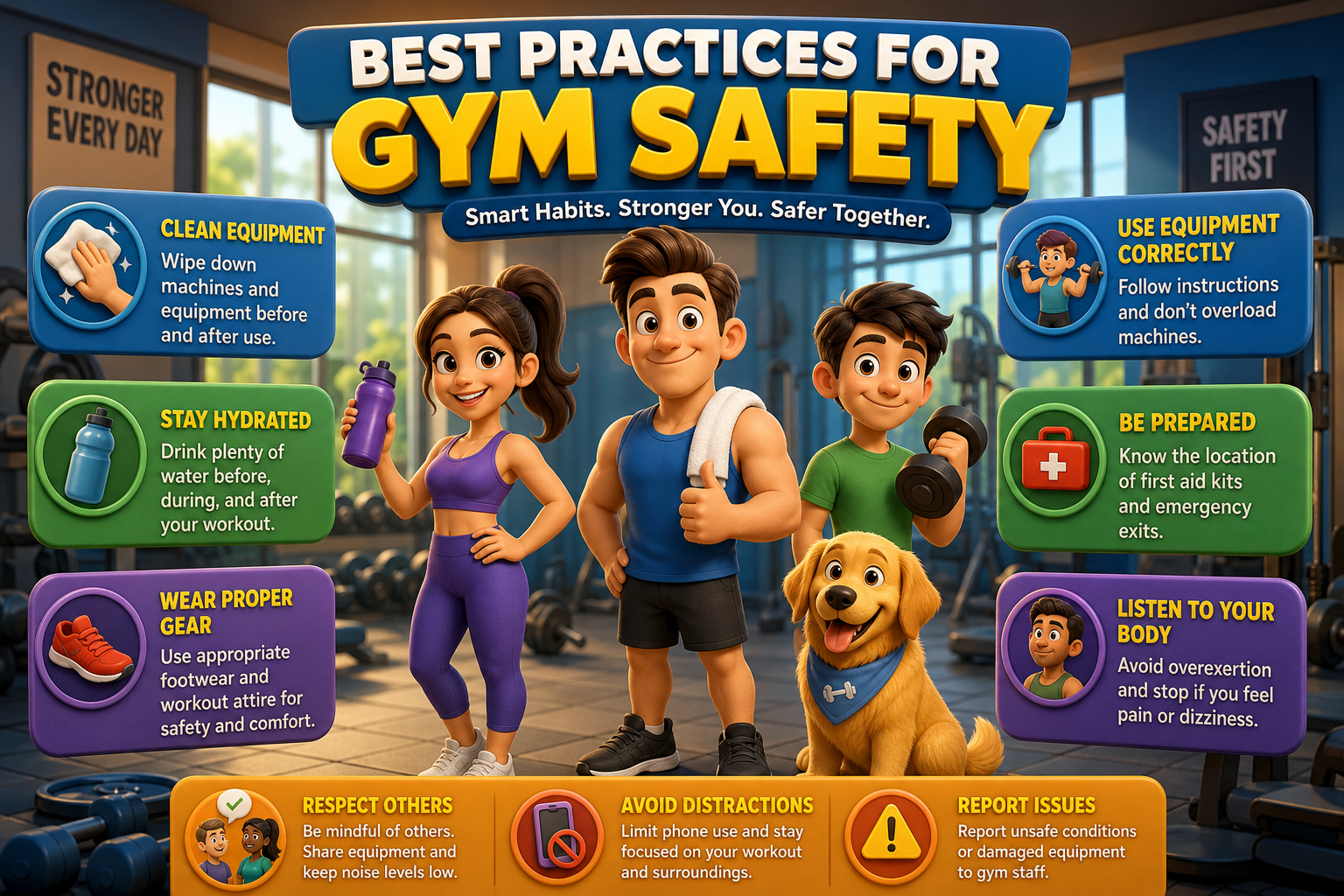
Gym safety is a vital aspect of any fitness routine. It involves various practices that help prevent injuries and ensure a safe workout environment. Understanding gym safety can protect you from accidents that might occur while exercising. When you prioritize safety, you can focus on your fitness goals without worry. This guide will explore the best practices for gym safety in detail.
Proper Warm-Up Techniques
Warming up is essential before any workout. It prepares your muscles and joints for the exercises ahead. A good warm-up increases blood flow and flexibility, reducing the risk of injury. Start with five to ten minutes of light aerobic activity, such as jogging or cycling. Follow this with dynamic stretches that mimic the movements you will perform during your workout. For example, if you plan to lift weights, do shoulder rolls and arm circles to loosen up your upper body. Stretching your legs with lunges or leg swings can prepare your lower body. Remember, a proper warm-up can make a significant difference in your performance and safety.
Dynamic Stretching Examples
Dynamic stretching includes movements that stretch your muscles while you move. Here are some examples:
- Leg Swings: Stand next to a wall. Swing one leg forward and backward, keeping it straight. Do this for 10 swings on each leg.
- Arm Circles: Extend your arms to the sides. Make small circles for 30 seconds, then switch to larger circles.
- Lunges with a Twist: Step forward into a lunge. While in the lunge position, twist your torso towards the front knee. Hold for a moment and switch sides.
These exercises help activate your muscles, making them ready for more intense activity.
Using Equipment Safely
Gym equipment can be dangerous if not used correctly. Always read instructions or ask a trainer if you are unsure how to use a machine. Check that the equipment is in good condition before use. Look for any visible damage or wear. If something seems off, report it to gym staff and use another machine. Always use safety features, like clips on weight plates and safety bars on squat racks. When using free weights, ensure you have a clear area around you. This helps prevent accidents with others who may be nearby. Remember, taking a moment to assess your surroundings can keep you safe.
Tips for Safe Weightlifting
Weightlifting is a common activity in gyms, but it requires careful attention. Here are some tips for safer weightlifting:
- Use a Spotter: If you are lifting heavy weights, ask someone to spot you. They can help if you struggle.
- Lift with Your Legs: When picking up weights, bend your knees and keep your back straight. This technique helps prevent back injuries.
- Start Light: Begin with lighter weights to master your form. Gradually increase the weight as you get stronger.
These practices help reduce the risk of injury while maximizing the benefits of your workout.
Maintaining Personal Hygiene
Personal hygiene is essential in a gym environment. Many people share equipment, which can lead to the spread of germs. Always wipe down machines before and after use. Most gyms provide disinfectant wipes or sprays for this purpose. Additionally, wash your hands regularly, especially after using equipment. Wearing clean workout clothes is also important. This not only keeps you comfortable but also contributes to a healthier environment for everyone. If you are feeling unwell, it is best to stay home and avoid spreading illness to others.
Creating a Hygiene Routine
Establishing a hygiene routine can help you stay healthy in the gym. Here are some steps to consider:
- Bring a Towel: Use a towel to wipe down equipment and sit on benches. This keeps surfaces clean and hygienic.
- Shower After Workouts: If possible, shower after your workout to remove sweat and bacteria from your skin.
- Keep Personal Items Clean: Store your gym bag and personal items in a clean area. Regularly wash your gym bag and any clothes you use.
By following these tips, you contribute to a safer and healthier gym environment.
Staying Hydrated
Hydration is vital for effective workouts and overall health. When you exercise, your body loses water through sweat. This loss can lead to dehydration, causing fatigue and reduced performance. To stay hydrated, drink water before, during, and after your workout. A good rule of thumb is to drink at least 8 ounces of water before exercising. During your workout, aim for 7 to 10 ounces every 10 to 20 minutes, especially during intense sessions. After your workout, replenish lost fluids by drinking water or electrolyte drinks if needed. Staying hydrated helps you feel better and perform better.
Signs of Dehydration
Recognizing the signs of dehydration is essential. Here are some common symptoms:
- Thirst: If you feel thirsty, your body is already slightly dehydrated.
- Darker Urine: Dark yellow urine can indicate dehydration. Aim for light yellow urine for proper hydration.
- Fatigue: Feeling tired or sluggish during your workout can be a sign you need more water.
Pay attention to these signs and adjust your fluid intake as needed.
Listening to Your Body
One of the essential aspects of gym safety is listening to your body. If you feel pain or discomfort while exercising, stop immediately. Pain is often a signal that something is wrong. Continuing to push through can lead to serious injuries. Instead, assess the situation. If the pain is manageable, take a break and stretch. If it persists, consider consulting a healthcare professional. Moreover, allow your body time to rest and recover. Overtraining can lead to fatigue and injuries. Ensure you get enough sleep and rest days in your workout routine. This balance is important for long-term health and performance.
Recognizing Warning Signs
There are several warning signs to watch for during exercise. These include:
- Sharp Pain: Sudden, sharp pain is a clear warning sign. Stop exercising and evaluate the situation.
- Dizziness or Lightheadedness: If you feel dizzy, sit down and rest. Hydrate and recover before continuing.
- Extreme Fatigue: While feeling tired after a workout is normal, extreme fatigue can indicate overtraining or dehydration.
Being aware of your body’s signals can help you avoid serious injuries.
Understanding Gym Etiquette
Gym etiquette is about respecting others while working out. It helps create a positive environment for everyone. Always be mindful of your surroundings. If you are using equipment, keep your belongings close but not in the way of others. If you finish using a machine, wipe it down for the next person. Also, avoid hogging equipment during busy hours. Allow others to work in between your sets if the gym is crowded. Finally, keep noise levels down. Loud music or talking can distract others. Practicing good gym etiquette makes the experience better for everyone.
Common Etiquette Mistakes
Many gym-goers may not realize they are making etiquette mistakes. Here are some common ones:
- Not Returning Weights: Always return weights to their proper place after use. This helps keep the gym organized and safe.
- Using Phones Excessively: While it is okay to use your phone for music or tracking workouts, avoid prolonged phone conversations.
- Ignoring Others: If someone is waiting for a machine, be courteous and allow them to work in or take turns.
Avoiding these common mistakes helps promote a respectful gym atmosphere.
Emergency Procedures
Understanding emergency procedures is important for gym safety. Accidents can happen, and knowing what to do can save lives. Familiarize yourself with the layout of the gym. Locate exits, fire extinguishers, and first aid kits. Many gyms offer CPR training or first aid courses. Consider taking one. In the event of an emergency, remain calm. If someone is injured, do not move them unless they are in immediate danger. Instead, call for help. Most gyms have staff trained to handle emergencies. Being prepared can make a significant difference in critical situations.
Common Emergencies and Responses
Here are some common emergencies you might encounter in a gym:
- Fainting: If someone faints, check for responsiveness. If they are unresponsive, call for emergency help immediately.
- Severe Bleeding: Apply pressure to the wound with a clean cloth. improve the injured area if possible and call for help.
- Choking: If someone is choking, encourage them to cough. If that does not work, perform the Heimlich maneuver if trained.
Having a plan can help you act quickly and effectively in emergencies.
Gym safety is an important topic for anyone who exercises regularly. By following these best practices, you can create a safer environment for yourself and others. Remember to warm up properly, use equipment safely, maintain hygiene, stay hydrated, listen to your body, practice good etiquette, and know emergency procedures. By prioritizing safety, you can enjoy your workouts and reach your fitness goals with confidence. Always be vigilant and proactive about your safety and well-being while at the gym.