



Understanding the Importance of Nutrition for Athletes
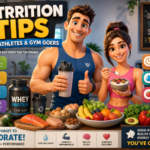
Nutrition is fundamental for athletes. It supports energy levels, recovery, and overall performance. Athletes need proper fuel to train effectively. When you exercise, your body uses energy, and without enough nutrients, you may feel fatigued. A balanced diet helps maintain stamina and strength during workouts. Additionally, proper nutrition aids in quicker recovery after intense training sessions.
For gym goers, nutrition is just as vital. Whether lifting weights or engaging in cardio, the right nutrients enhance performance and promote muscle growth. This is why understanding what to eat is essential. A good diet can make a significant difference in achieving fitness goals. Therefore, athletes and gym enthusiasts must pay close attention to their nutritional intake.
Macronutrients and Their Role in Athletic Performance
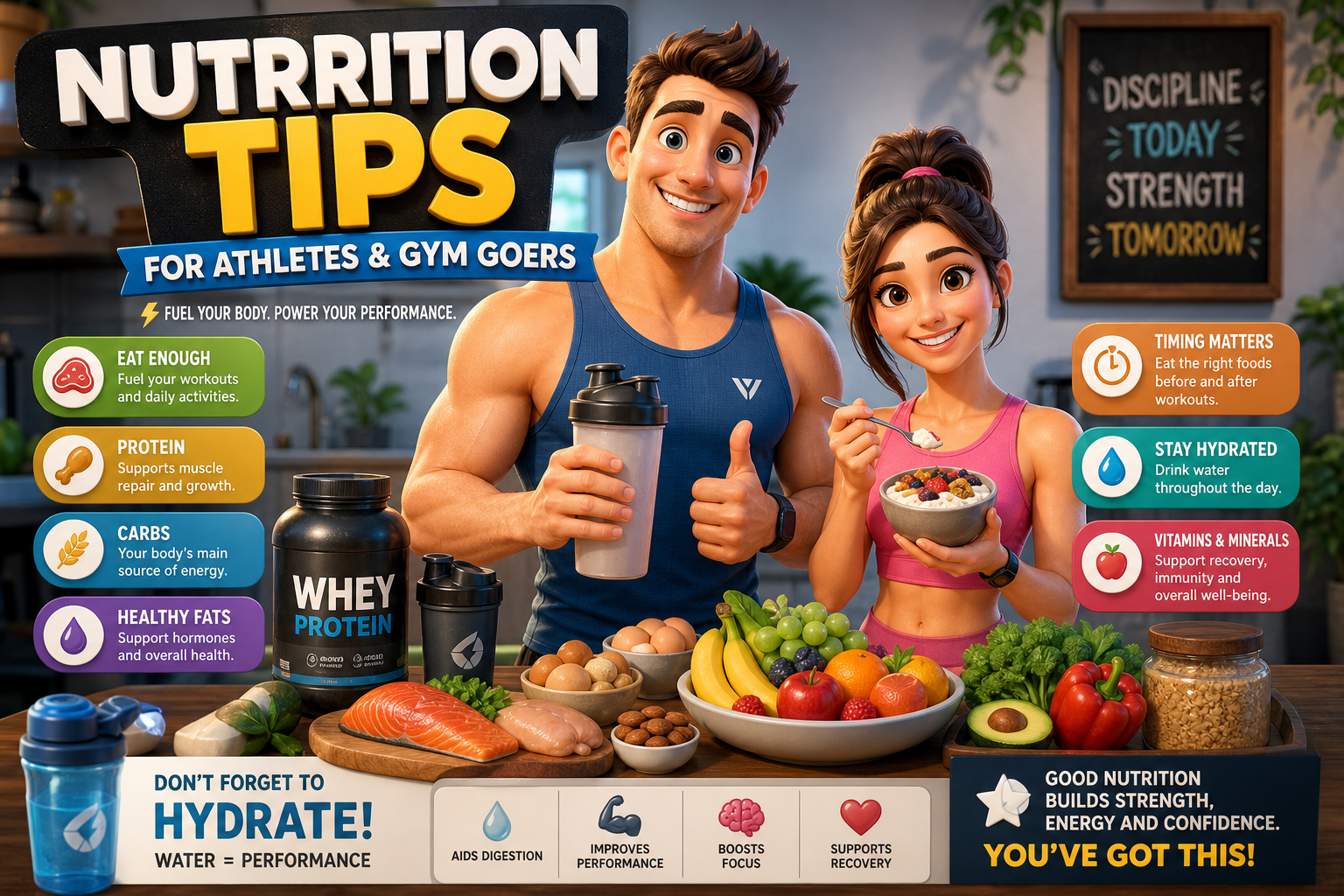
Macronutrients are the nutrients needed in larger amounts: carbohydrates, proteins, and fats. Each plays a unique role in an athlete’s diet. Carbohydrates provide energy, protein supports muscle repair, and fats help with long-term energy and hormone production. Understanding these macronutrients is key for anyone serious about fitness.
Carbohydrates are the primary fuel source during high-intensity workouts. Foods like whole grains, fruits, and vegetables should be staples in an athlete’s diet. Proteins, found in meats, dairy, and legumes, are essential for muscle repair. Consuming protein after workouts helps in recovery. Healthy fats, like avocados and nuts, also contribute to overall health and energy. Balance these three macronutrients for optimal performance.
Hydration: The Key to Peak Performance
Hydration is often overlooked but is critical for athletes. Water keeps the body functioning properly. Dehydration can lead to fatigue, decreased performance, and even injury. Therefore, staying hydrated should be a priority for anyone involved in sports or fitness.
As a general rule, athletes should drink water before, during, and after exercise. The amount needed can vary based on individual needs and workout intensity. Sports drinks can be beneficial for long training sessions, as they replace lost electrolytes. Always listen to your body, and drink enough to stay energized and focused.
Timing Your Meals for Maximum Energy
Meal timing is important for athletes. Eating at the right times can enhance energy levels and improve performance. It is essential to plan meals and snacks around workout schedules for optimal results.
Eating a balanced meal 2-3 hours before exercise provides energy. This meal should include carbohydrates and proteins. If short on time, a snack 30-60 minutes before working out can also help. After exercising, consume a meal rich in protein and carbohydrates to aid recovery. Timing your meals well can make a noticeable difference in how you feel and perform.
Choosing the Right Supplements
Supplements can support athletic performance, but they are not a substitute for a healthy diet. Common supplements include protein powders, vitamins, and minerals. Before taking any supplements, consult with a healthcare professional or a registered dietitian.
Protein powders are popular among athletes looking to boost their protein intake. They can be convenient, especially post-workout. However, whole foods should always be the first choice. Multivitamins can help fill nutritional gaps, but a varied diet is still the best way to obtain necessary nutrients. Use supplements wisely and ensure they fit into your overall nutrition plan.
Understanding Caloric Needs
Caloric needs vary significantly among athletes based on factors like age, weight, and training intensity. Understanding how many calories you need helps in planning meals effectively. Consuming too few calories can lead to fatigue and poor performance, while too many can lead to unwanted weight gain.
An easy way to estimate caloric needs is to use the Harris-Benedict equation. This tool calculates your basal metabolic rate (BMR) and then factors in your activity level. Once you know your needs, adjust your diet accordingly. Tracking your food intake can also help ensure you meet your calorie goals.
Meal Ideas for Optimal Performance
Having a variety of meal options can keep your diet interesting while fueling your workouts. Start with breakfast; oatmeal with fruit and nuts is a great choice. For lunch, consider a quinoa salad with vegetables and lean protein. Dinner might include grilled chicken, sweet potatoes, and steamed broccoli.
Snacks are important too. Greek yogurt with berries is an excellent option, or try a protein bar when on the go. Always aim for meals that combine carbohydrates, proteins, and healthy fats. This combination ensures that you receive balanced nutrition for your training needs.
Special Considerations for Endurance Athletes
Endurance athletes have unique nutritional needs. They require higher carbohydrate intake to fuel long training sessions. Foods like pasta, rice, and fruits should be staples in their diet. Hydration is also critical for these athletes, as they lose more fluids through sweat.
In addition to carbs, endurance athletes may benefit from electrolyte drinks during long workouts. These drinks help replace lost salts and maintain performance. Understanding these specific needs can help endurance athletes optimize their training and recovery.
Nutrition for Strength Training
For athletes focused on strength training, protein intake is essential. Consuming enough protein helps build and repair muscle. Aim for protein-rich foods like chicken, fish, legumes, and dairy products. Incorporating protein shakes can also support muscle growth, especially post-workout.
Carbohydrates remain important for energy during strength training. Focus on complex carbs, like whole grains, which provide sustained energy. Proper nutrition supports muscle gains and overall strength. Therefore, athletes must prioritize their diet alongside their training routines.
Listening to Your Body
Being in tune with your body is vital for athletes. Everyone has unique nutritional needs based on individual factors. Pay attention to how different foods make you feel. Some may find that certain foods energize them, while others may cause fatigue or discomfort.
Keeping a food diary can be helpful. Write down what you eat and how it affects your performance. This practice can provide insights into what works best for you. Adjust your diet accordingly and prioritize foods that support your training.
Setting Realistic Goals
Setting realistic nutrition goals is essential for athletes. Aim for small, achievable changes rather than drastic overhauls. This approach is more sustainable in the long run. Start by incorporating one new healthy food into your diet each week.
Consider working with a nutritionist or dietitian for personalized guidance. They can help you create a plan that fits your lifestyle and goals. Remember, consistency is key when it comes to nutrition and health. Set goals, track progress, and celebrate small victories along the way.
Conclusion: Making Nutrition a Priority
In conclusion, nutrition plays a vital role in an athlete’s success. By understanding macronutrients, hydration, meal timing, and individual needs, athletes can optimize their performance. Whether you are training for a marathon or hitting the gym for strength, nutrition must be a priority.
Remember that every athlete’s body is different. What works for one person may not work for another. Therefore, keep an open mind, listen to your body, and adjust as needed. With the right nutrition plan in place, you can achieve your fitness goals and enjoy the process along the way.