
Understanding Your Needs
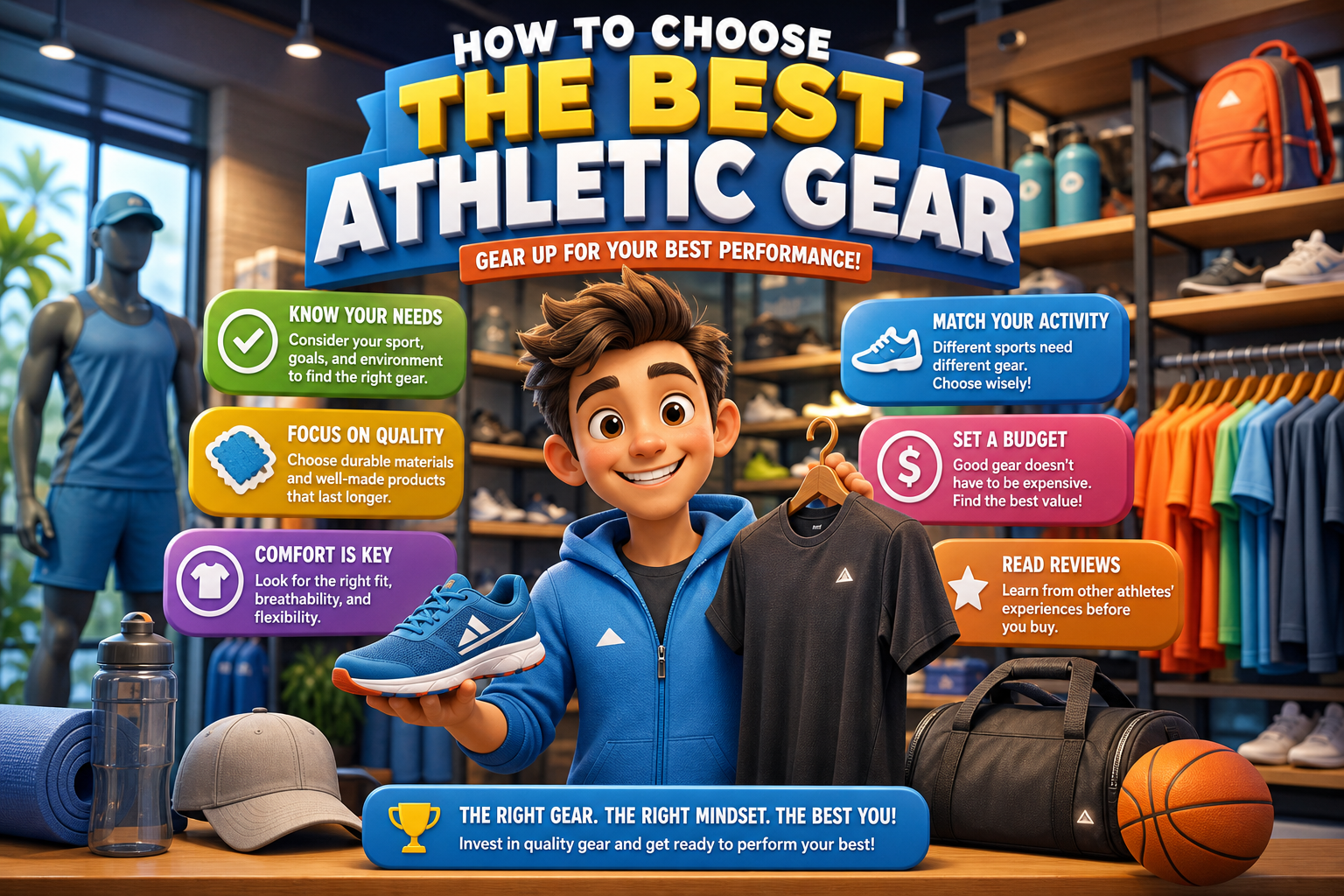
When it comes to athletic gear, the first step is understanding your personal needs. Different sports and activities require different types of gear. For instance, running shoes differ greatly from basketball shoes. You need to consider what type of activity you will be doing most often. Are you a runner, a weightlifter, or a yoga enthusiast? Each category has specific requirements that influence your choice of gear.
Also, think about how often you plan to engage in these activities. If you are a casual participant, you may not need the highest-end gear. However, if you are serious about your sport, investing in quality gear is essential. For example, professional runners often choose shoes that offer superior support and cushioning, while casual joggers might prioritize comfort.
Lastly, take your body type and any special considerations into account. If you have flat feet, look for shoes designed with arch support. If you tend to sweat a lot, prioritize moisture-wicking materials in your clothing. Understanding your needs is the foundation for selecting the best athletic gear.
Researching Brands and Products
Once you know what you need, start researching brands and products. The market is full of options, and some brands stand out for quality and performance. Look for brands that specialize in your sport. For instance, Nike and Adidas are well-known for their extensive lines of athletic footwear and apparel. Other brands like Under Armour focus on performance gear with moisture-wicking technology.
Check online reviews and user feedback. Websites and forums dedicated to sports can provide valuable insights. Look for reviews that discuss durability, comfort, and performance. Also, consider professional endorsements. Athletes often share their experiences with specific brands, which can help guide your choices.
Don’t forget to explore social media. Many brands showcase their latest gear on platforms like Instagram and Facebook. You can often find real-life photos and videos of athletes using the gear. This can help you visualize how the gear performs in action.
Setting a Budget
Budgeting is a important step when selecting athletic gear. Prices can vary widely based on brand, quality, and technology used in the products. To start, decide how much you are willing to spend. This will help narrow down your options significantly. For instance, running shoes can range from $50 to over $200. Knowing your budget will help you focus on products that offer the best value for your money.
Consider the long-term benefits of investing in quality gear. Cheaper options may save you money upfront, but they often wear out quickly and may not provide the support you need. For instance, investing in a high-quality running shoe can save you from injuries related to improper support.
Look for sales and discounts. Many sports retailers offer seasonal sales, and online shops often have promotions. Signing up for newsletters can give you access to exclusive deals. Being patient and waiting for the right time to buy can help you stick to your budget while still getting quality gear.
Trying Before Buying
Before making a purchase, it is essential to try on the gear. Many stores allow you to test out shoes, clothes, and other equipment. When it comes to shoes, fit is everything. A good fit means you can enjoy your activities without discomfort. Walk around the store and ensure there is adequate space for your toes. Your heel should fit snugly without sliding.
Clothing should feel comfortable and allow for movement. Check the fabric for breathability and flexibility. If you are buying a sports bra, ensure it offers enough support without being too tight. Use your time in the store to assess how the gear feels during movement.
Consider visiting specialty stores where staff can provide expert advice. They can help you find the right size and fit based on your activity. Trying before buying is one of the best ways to ensure you choose the right athletic gear.
Understanding Materials and Technology
Knowledge of materials and technology used in athletic gear is vital. Fabrics like polyester and nylon are common in athletic wear because they wick moisture away from the skin. This keeps you dry and comfortable during workouts. Cotton, while comfortable, tends to retain moisture, which can lead to discomfort.
Technology plays a significant role in athletic gear as well. For example, running shoes often feature cushioning technology that absorbs impact. Brands like Brooks and ASICS have developed proprietary technologies designed to enhance comfort and performance. Look for features such as breathable mesh panels, moisture-wicking fabrics, and reinforced stitching.
New advancements are always emerging. For instance, in 2026, eco-friendly materials are gaining popularity. Brands are now using recycled materials to create sustainable athletic gear. This not only helps the environment but often offers similar performance benefits as traditional materials.
Choosing the Right Footwear
Footwear is one of the most critical aspects of athletic gear. The right pair can make a significant difference in performance and injury prevention. Start by identifying the type of activity you will be doing. Running shoes are designed for forward motion, while cross-training shoes provide lateral support for various activities.
Consider your foot shape. Some people have flat feet, while others have high arches. Many brands offer shoes that cater to different arch types. If you are unsure about your foot type, consider visiting a specialty shoe store for an assessment.
Also, take note of your typical workout surface. If you run primarily on trails, choose shoes with better traction. Alternatively, if you run on pavement, look for shoes designed for cushioning. Trying on multiple pairs and walking around the store can help you identify the best fit for your foot and activity.
Evaluating Fit and Comfort
Fit and comfort are essential when choosing athletic gear. An uncomfortable fit can ruin your workout experience. For clothing, ensure that it allows for movement and does not restrict your range of motion. Look for seams that do not irritate your skin and materials that feel good against your body.
Check for proper sizing. Sizes can vary between brands, so do not rely solely on the number. Always try items on and move around to ensure they fit well during activity. For example, if you are selecting a pair of leggings, perform some squats to check for comfort and fit around your waist and knees.
Footwear, as mentioned earlier, is equally important. Ensure there is enough room in the toe box and that the shoe does not rub against your heel. If there is any discomfort when trying them on, it is best to try a different size or style.
Maintenance and Care for Your Gear
Once you have selected your athletic gear, proper maintenance is important for longevity. Different materials require different care methods. For example, many running shoes should be air-dried rather than placed in a dryer, as heat can damage the materials. Check the label for specific care instructions.
For clothing, regular washing is essential to remove sweat and odors. Use a gentle detergent and avoid fabric softeners, which can reduce moisture-wicking properties. Hang-drying is often recommended to maintain the integrity of the fabric.
Invest in storage solutions to keep your gear organized. Proper storage will prevent damage and make it easier to find what you need. Consider using bins for shoes and drawers for clothing. Keeping your gear in good shape will ensure it performs well and lasts for many workouts.
Staying Updated with Trends
The world of athletic gear is always evolving. In 2026, new trends are emerging that can influence your choices. Stay informed about the latest technologies, materials, and styles. Follow sports blogs, subscribe to fitness magazines, and watch industry news to keep up with changes.
Social media is an excellent resource for discovering new gear and trends. Many athletes share their favorite products and experiences online. Following relevant accounts can provide inspiration and help you find the best gear suited for your activities.
Don’t be afraid to experiment with new brands and styles. The athletic gear market is competitive, and brands often innovate to attract consumers. Trying new products can lead you to discover gear that better meets your needs and preferences.
Conclusion: Making the Right Choice
Choosing the best athletic gear involves a thoughtful process. Understanding your needs, researching brands, and setting a budget are key steps. Trying gear before buying ensures the right fit and comfort. Knowledge of materials and technology will keep you informed about the best options available. Footwear, maintenance, and staying updated on trends will enhance your experience and performance.
By following these guidelines, you will be well-equipped to select athletic gear that supports your goals and enhances your performance. Investing time and effort into this process will pay off, leading to better workouts and increased enjoyment of your favorite sports.