

Understanding Your Running Style
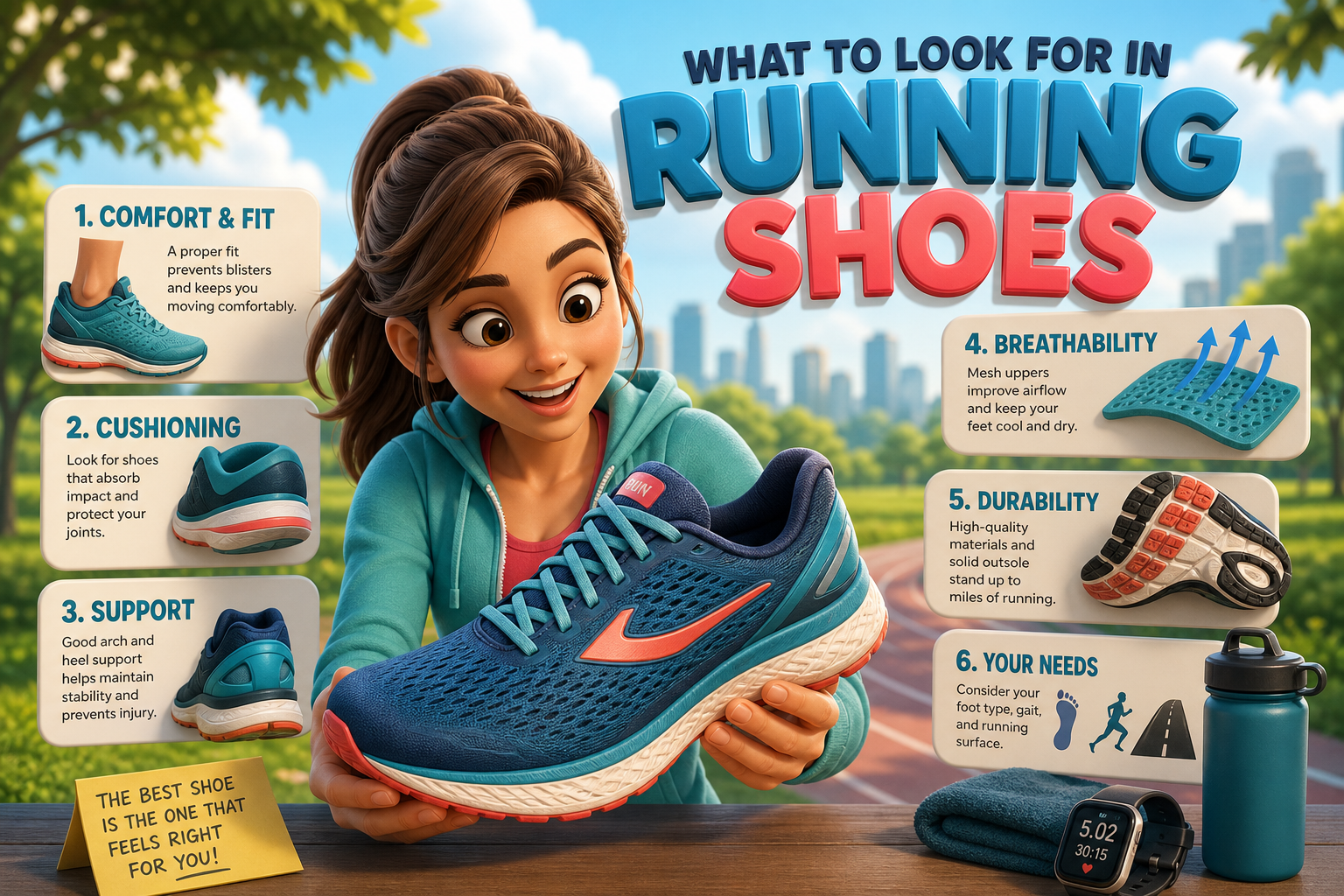
Choosing the right running shoes starts with understanding your running style. Everyone’s foot operates differently, which impacts how shoes perform. There are generally three types of runners: neutral, overpronators, and underpronators. Neutral runners have a natural gait, while overpronators roll their feet inward too much, and underpronators do the opposite, rolling outward. To determine your type, you can visit a specialty running store for a gait analysis. This simple step can help you avoid injuries and ensure you pick shoes that match your running style.
For instance, if you are an overpronator, look for shoes that offer stability or motion control features. These types of shoes provide extra support to prevent your foot from rolling. On the other hand, if you are a neutral runner, you can choose shoes with moderate cushioning and flexibility. Understanding your running style is foundational to finding shoes that will support your feet and enhance your running experience.
Consider Your Foot Shape
Foot shape is another critical factor when selecting running shoes. Feet come in various shapes, including wide, narrow, and high-arched. It is essential to find shoes that accommodate your specific foot shape to ensure comfort during runs. Many brands offer different width options, from narrow to extra wide. When trying on shoes, make sure there is enough room in the toe box. Your toes should not feel cramped, and you should have a thumbs-width of space in front of your longest toe.
Additionally, arch support is vital. If you have flat feet, look for shoes that provide more arch support. Conversely, those with high arches may need extra cushioning to absorb impact. Many brands like Asics, New Balance, and Saucony have models specifically designed for different foot shapes. This variety allows runners of all types to find a shoe that fits snugly and feels great.
Cushioning and Support Levels
Cushioning is a vital aspect of running shoes. It affects comfort and performance during your runs. There are two main types of cushioning: plush and responsive. Plush cushioning offers a soft feel, ideal for long-distance runners who want comfort over many miles. Responsive cushioning, on the other hand, provides a firmer feel, which can enhance speed and agility. Choosing the right cushioning depends on your running goals and personal preference.
For example, if you enjoy running long distances, you might prefer shoes with more plush cushioning. Brands like Hoka One One are known for their thick, cushioned soles that provide comfort during long runs. If you are looking for speed, consider shoes from brands like Nike or Adizero, which offer a more responsive feel. Testing shoes with different cushioning styles can help you find the right balance between comfort and performance that suits your running needs.
Weight of the Shoes
The weight of your running shoes can significantly impact your performance. Lightweight shoes can help you run faster and feel less fatigued. However, they may provide less cushioning and support compared to heavier models. On average, running shoes weigh between 8 to 12 ounces. If you are training for a race or looking to improve your speed, lighter shoes could be beneficial.
Brands like Brooks and Nike offer lightweight models that still provide adequate support. It is important to find a balance between weight and comfort. Too light can mean sacrificing support, while too heavy can slow you down. When trying on shoes, consider how they feel on your feet. A good rule of thumb is that if you feel comfortable and light on your feet, you might have found the right pair.
Tread Patterns and Outsole Materials
The outsole of running shoes plays a significant role in traction and durability. Different tread patterns affect how shoes grip various surfaces. If you typically run on roads or pavement, look for shoes with a smooth, flat outsole. These provide better traction on hard surfaces. In contrast, if you run on trails or uneven ground, you will need shoes with deeper lugs for better grip and stability.
Materials used in the outsole also matter. Rubber outsoles are common and provide excellent durability. Some brands incorporate carbon rubber for enhanced traction, especially in high-wear areas. For example, the Vibram outsole is popular for trail running because of its grip on slippery surfaces. Make sure to consider where you will be running most often, as this will guide your choice in tread patterns and materials.
Breathability and Comfort
Breathability is essential for maintaining foot comfort during runs. Shoes with breathable mesh uppers allow air to circulate, reducing sweat and keeping feet cool. This feature is especially important for long runs or warm weather conditions. When trying on shoes, pay attention to how well air can flow through the material. If the shoes feel too hot, they may not be the best choice.
In addition to breathability, overall comfort is critical. Look for shoes that offer a seamless interior to minimize friction and blisters. Many brands incorporate soft materials around the collar and tongue for added comfort. Make sure to walk around in the shoes to test for any uncomfortable spots. If you feel any pressure points while trying them on, they likely will not work for you during runs.
Price Range and Value
The price of running shoes can vary widely, typically ranging from $60 to over $200. While it can be tempting to choose the cheapest option available, investing in a good pair of running shoes is essential. A higher price generally reflects better materials, cushioning, and support. Look for sales or discounts, especially during major holidays or store promotions.
Consider the longevity of the shoes as well. A pair that lasts longer may save you money in the long run. Many brands offer warranties or satisfaction guarantees. This can provide peace of mind when making your purchase. It is often worth paying a bit more for shoes that support your running lifestyle and prevent injuries.
Trying Before You Buy
Finally, always try on running shoes before making a purchase. Each brand and model can fit differently, so it is essential to find the right pair for you. Visit a local running store where you can get expert advice and try on various models. Bring the socks you typically wear while running, and walk around the store to test the shoes.
Run on a treadmill or a designated area if the store allows it. This will give you a better sense of how the shoes perform in action. Remember to try on shoes later in the day when your feet are slightly swollen. This can help ensure a better fit. Take your time and do not rush the process. Finding the perfect running shoes can make a significant difference in your overall experience.