







Understanding Resistance Training
Resistance training is a powerful way to build muscle strength and endurance. This form of exercise requires your muscles to work against an external force, which can be weights, resistance bands, or even your body weight. By incorporating resistance training into your routine, you can increase muscle mass, improve bone density, and enhance overall fitness. In 2026, more people recognize the importance of strength training, not just for athletes but also for anyone looking to improve their health.
Resistance training can take various forms. It can be performed using free weights like dumbbells and barbells, machines at the gym, or resistance bands that are easy to use at home. Bodyweight exercises, such as push-ups and squats, are also effective and require no equipment. The key to effective resistance training is to challenge your muscles progressively, increasing the weight or resistance level as you become stronger.
One of the significant benefits of resistance training is its role in weight management. Muscle tissue burns more calories than fat, even at rest. Therefore, increasing your muscle mass can help you maintain a healthy weight. Additionally, resistance training can boost your metabolism, helping you burn more calories throughout the day. Because of these benefits, it is essential to include resistance training in your fitness regimen, regardless of your fitness level.
Types of Resistance Training Techniques
There are various resistance training techniques that you can choose from, each offering unique benefits. Understanding these methods is vital for selecting the right one for your goals. Let’s explore a few popular types in detail.
1. Free Weights
Free weights, such as dumbbells and barbells, allow for a wide range of motion. They require your body to stabilize during the exercise, which engages more muscle groups. This technique can enhance coordination and balance. For example, when performing a bench press with a barbell, you are not only working your chest muscles but also your shoulders and triceps. Start with lighter weights to learn proper techniques. As you progress, gradually increase the weight.
2. Resistance Bands
Resistance bands are flexible and portable. They come in various resistance levels, making them suitable for beginners and advanced users. Bands can mimic the effects of free weights while providing constant tension on the muscles throughout the movement. For instance, try banded squats, which target your glutes and legs. Anchor the band under your feet and hold the ends at shoulder height. As you squat down, you will feel the resistance working your muscles.
3. Bodyweight Exercises
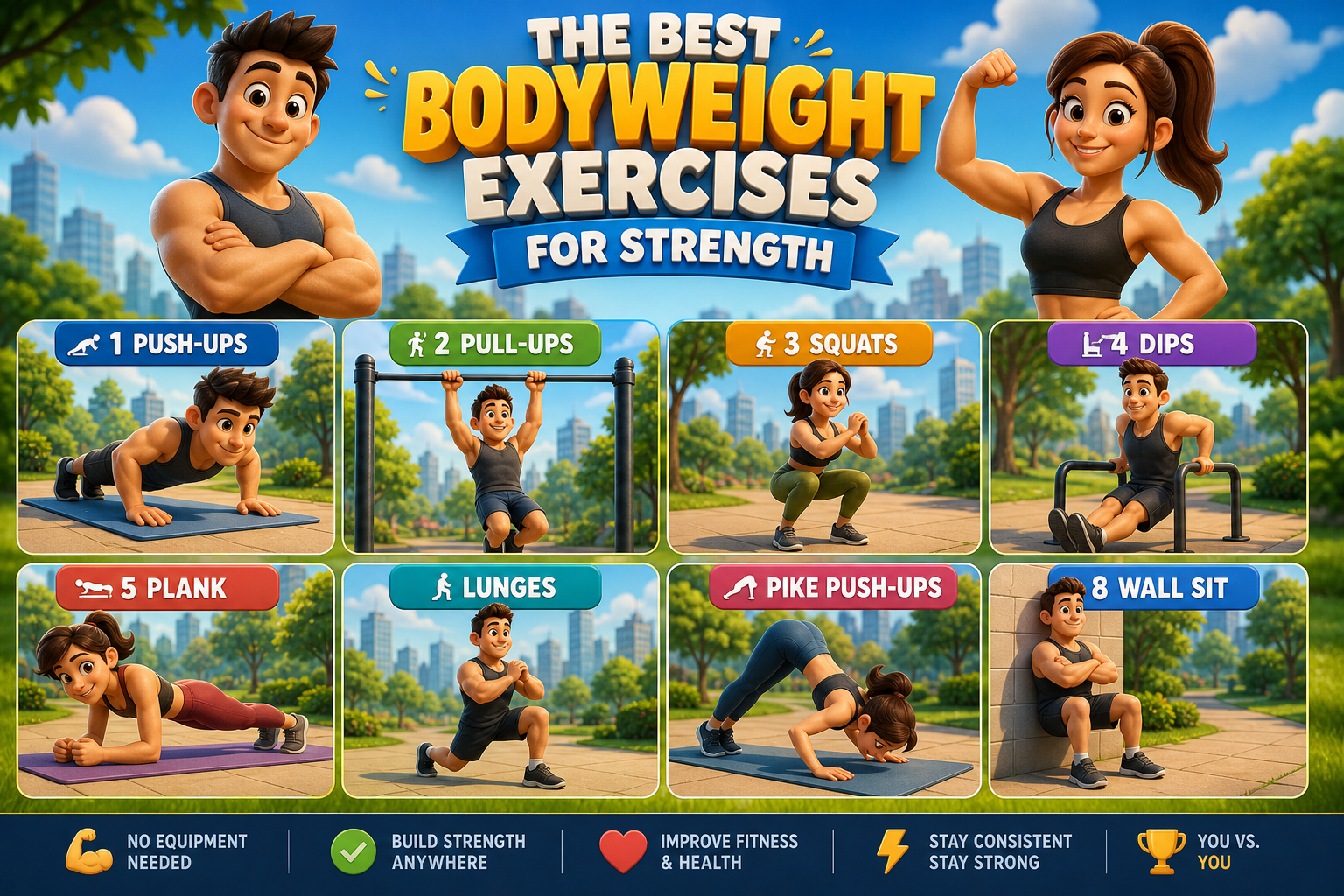
Bodyweight exercises are highly effective for building strength without any equipment. They can be done anywhere, making them convenient and accessible. Examples include push-ups, pull-ups, and lunges. These exercises use your body weight as resistance, which can be challenging and effective. To increase difficulty, modify the exercises by adding variations, such as incline or decline push-ups, or one-legged squats.
Creating a Balanced Resistance Training Program
To effectively boost your strength, it is essential to create a balanced resistance training program. This program should target all major muscle groups to ensure overall strength development. Here are some tips for building your routine.
First, identify your fitness goals. Are you looking to build muscle, increase endurance, or improve overall fitness? Knowing your goals will help you select the right exercises and structure your program. Next, plan your workouts to include a mix of upper body, lower body, and core exercises. For example, dedicate specific days to focus on different muscle groups. You might work on your upper body one day and lower body the next.
Additionally, ensure you incorporate both compound and isolation exercises. Compound exercises, like deadlifts and squats, involve multiple joints and muscle groups, maximizing your workout efficiency. Isolation exercises, such as bicep curls, target specific muscles, helping to improve their strength. A well-rounded program includes both types for balanced muscle development.
Progressive Overload: The Key to Strength Gains
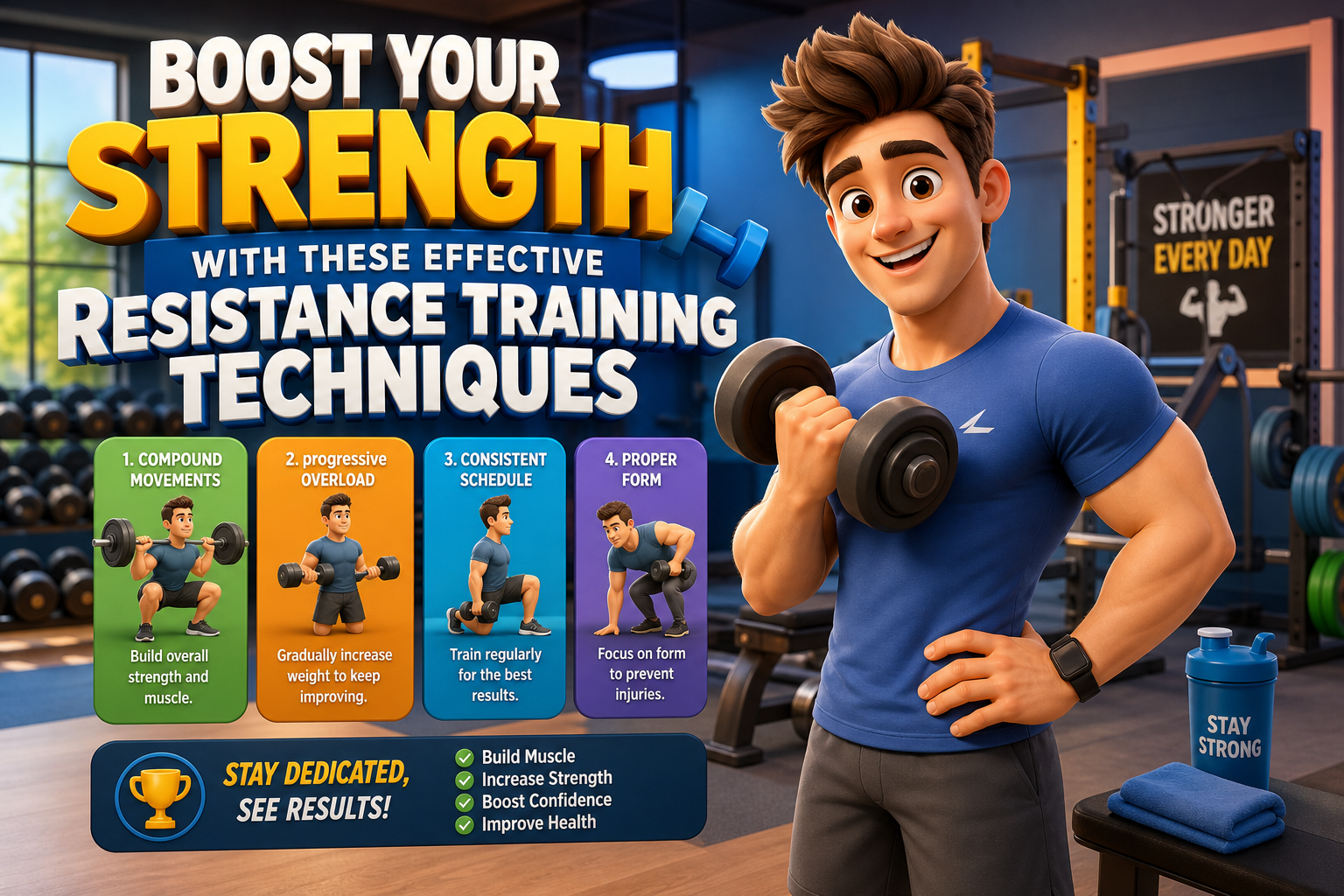
Progressive overload is a fundamental principle of resistance training that helps you continually gain strength and muscle mass. This concept involves gradually increasing the weight, frequency, or intensity of your workouts to challenge your muscles. Without this progression, your muscles adapt to your routine, and you may stop seeing results.
To apply progressive overload, start by tracking your workouts. Record the weights you lift and the number of repetitions you perform. Once you can complete a set of exercises comfortably, it is time to increase the weight. For example, if you can perform 12 push-ups easily, aim to add weight with a backpack or switch to a more challenging variation.
Another method is to increase the number of repetitions or sets. If you typically do three sets of 10 reps, try increasing to 12 reps or adding another set. This gradual increase will keep your muscles challenged and promote strength gains over time. Remember to listen to your body and ensure you are not overtraining, as rest is important for recovery and muscle growth.
Form and Technique: Exercising Safely
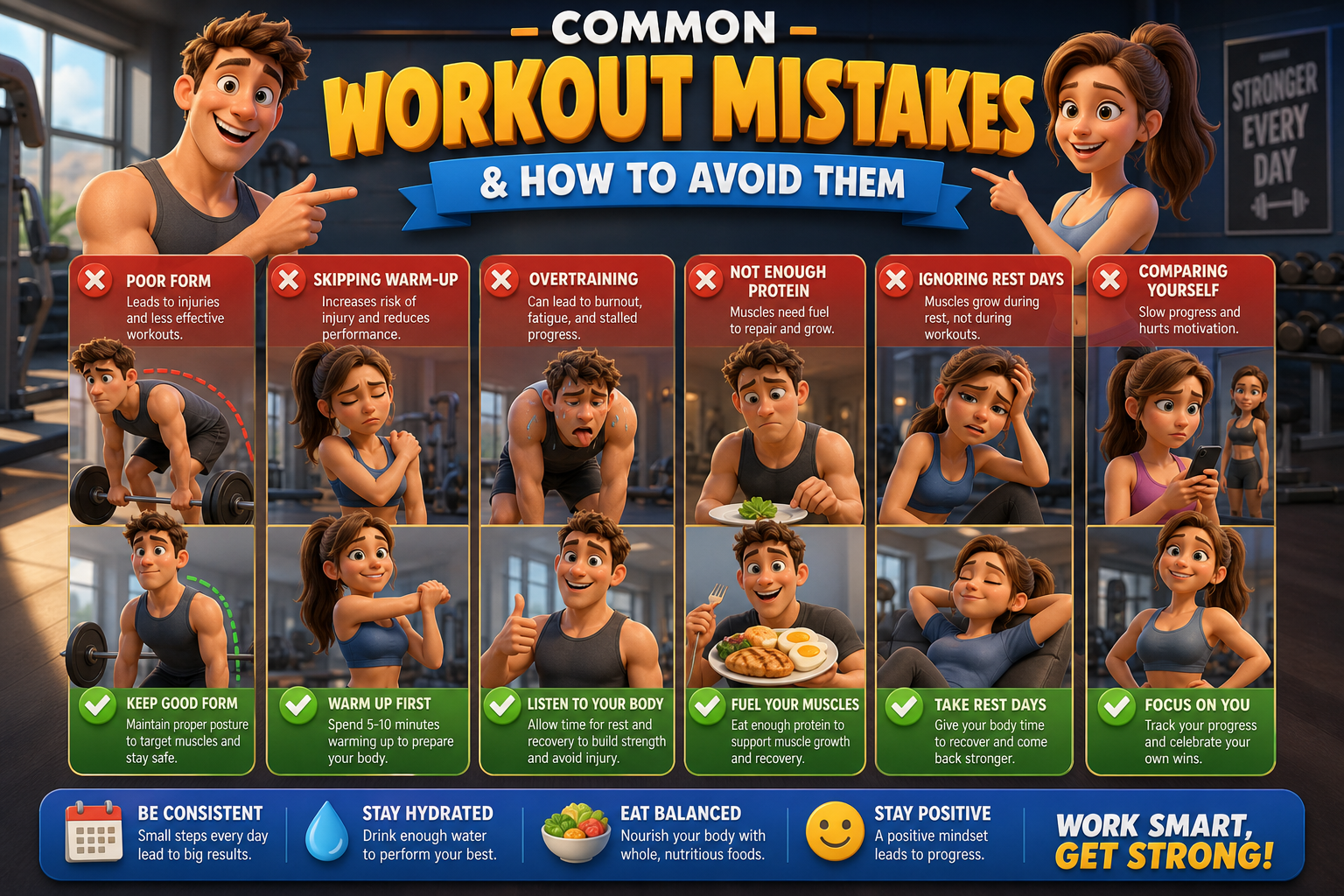
Proper form and technique are vital for effective resistance training. Exercising with incorrect form can lead to injuries and prevent you from achieving your strength goals. Before you start any new exercise, take the time to learn the correct technique. This may involve watching instructional videos, consulting a personal trainer, or practicing in front of a mirror.
When performing resistance exercises, focus on maintaining a neutral spine and engaging your core. This alignment will protect your back and help you lift weights more effectively. For example, during a squat, keep your chest up and weight in your heels. Avoid letting your knees collapse inward. Instead, push them outward as you lower your body.
Additionally, start with lighter weights to master the movements. Once you feel comfortable with the technique, gradually add weight. It is better to perform exercises correctly with lighter weights than to risk injury with heavier weights. Always prioritize safety over lifting heavier weights. Remember to warm up before and cool down after your workouts to reduce the risk of injury and promote recovery.
Incorporating Resistance Training into Your Routine
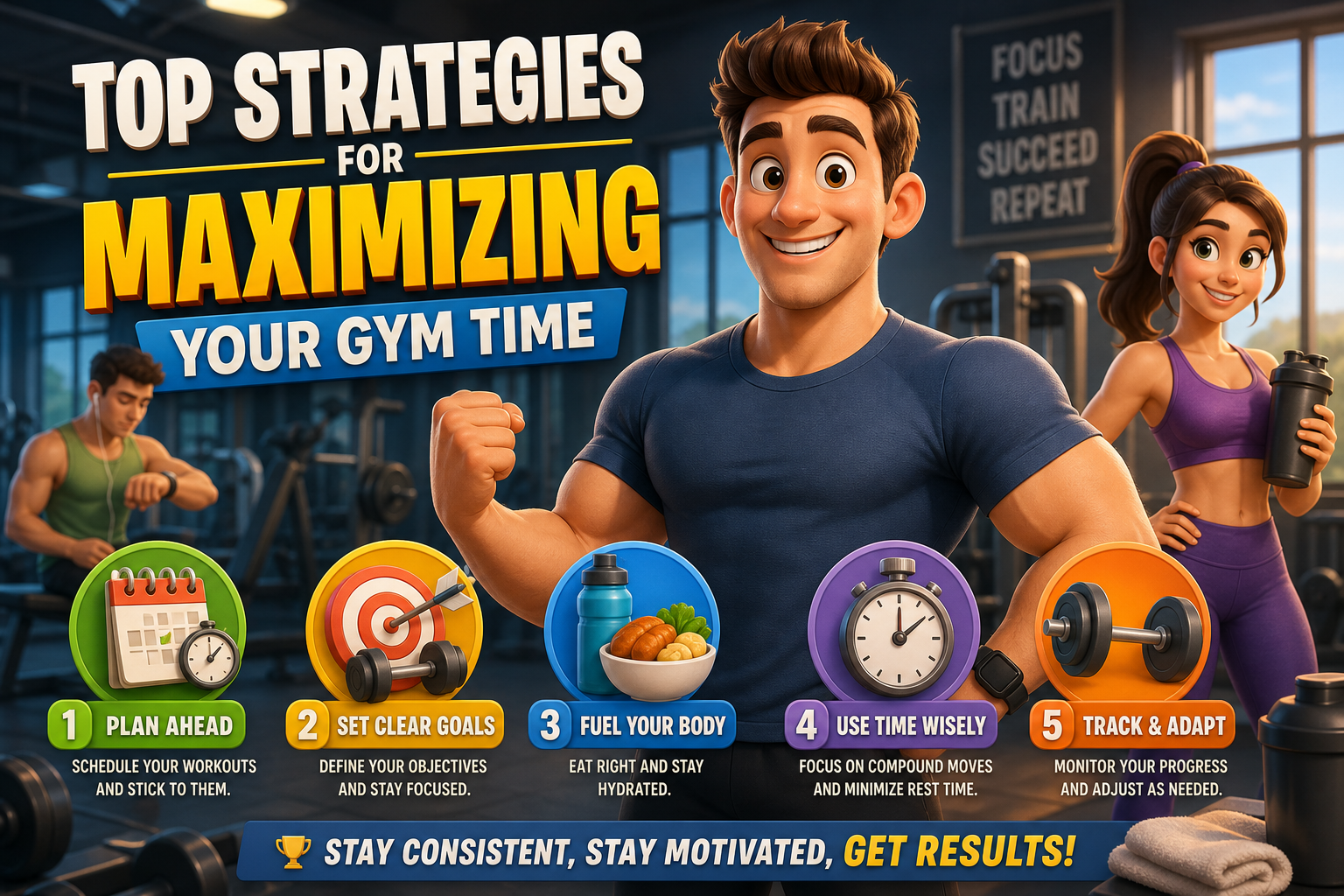
Integrating resistance training into your weekly routine can significantly improve your strength and fitness. Aim for at least two to three sessions per week, focusing on different muscle groups each time. Here are some practical tips for making resistance training a regular part of your life.
First, schedule your workouts like appointments, making them a priority in your week. Consistency is key to seeing results. Choose days and times that work best for you and stick to that schedule. If you struggle to find time, consider shorter workouts. Even 20 to 30 minutes of focused resistance training can be effective.
Another tip is to find a workout buddy or join a class. Exercising with others can provide motivation and accountability. You can share tips, encourage each other, and even make workouts more enjoyable. If you prefer working alone, use online resources like workout apps or YouTube videos to guide your sessions.
Lastly, listen to your body. If you feel fatigued or sore, take a rest day or switch to lighter workouts. Recovery is essential for muscle growth and overall health. Incorporating stretching and flexibility exercises can also enhance your recovery and prevent injuries.
Tracking Progress and Adjusting Your Goals
Tracking your progress is essential for staying motivated and ensuring you are on the right path to achieving your strength goals. In 2026, various tools and apps are available to help you monitor your workouts and results. Whether you prefer a simple notebook or a high-tech fitness app, keeping a record can provide valuable insights.
Start by noting the exercises you perform, the weights lifted, and the number of repetitions and sets. This information will help you recognize patterns and identify areas for improvement. Review your records regularly to see how much you have progressed. Celebrate your achievements, no matter how small, to keep your motivation high.
As you progress, be ready to adjust your goals. If you hit a plateau or find your current routine no longer challenging, it may be time to change your weight or try new exercises. Setting new goals, such as increasing your squat weight or mastering a difficult bodyweight exercise, can keep you engaged in your training.
Finally, remember that strength training is a journey. It takes time to see significant results, so be patient with yourself. Focus on the process and enjoy the benefits that come with regular resistance training.