





Understanding Your Fitness Goals
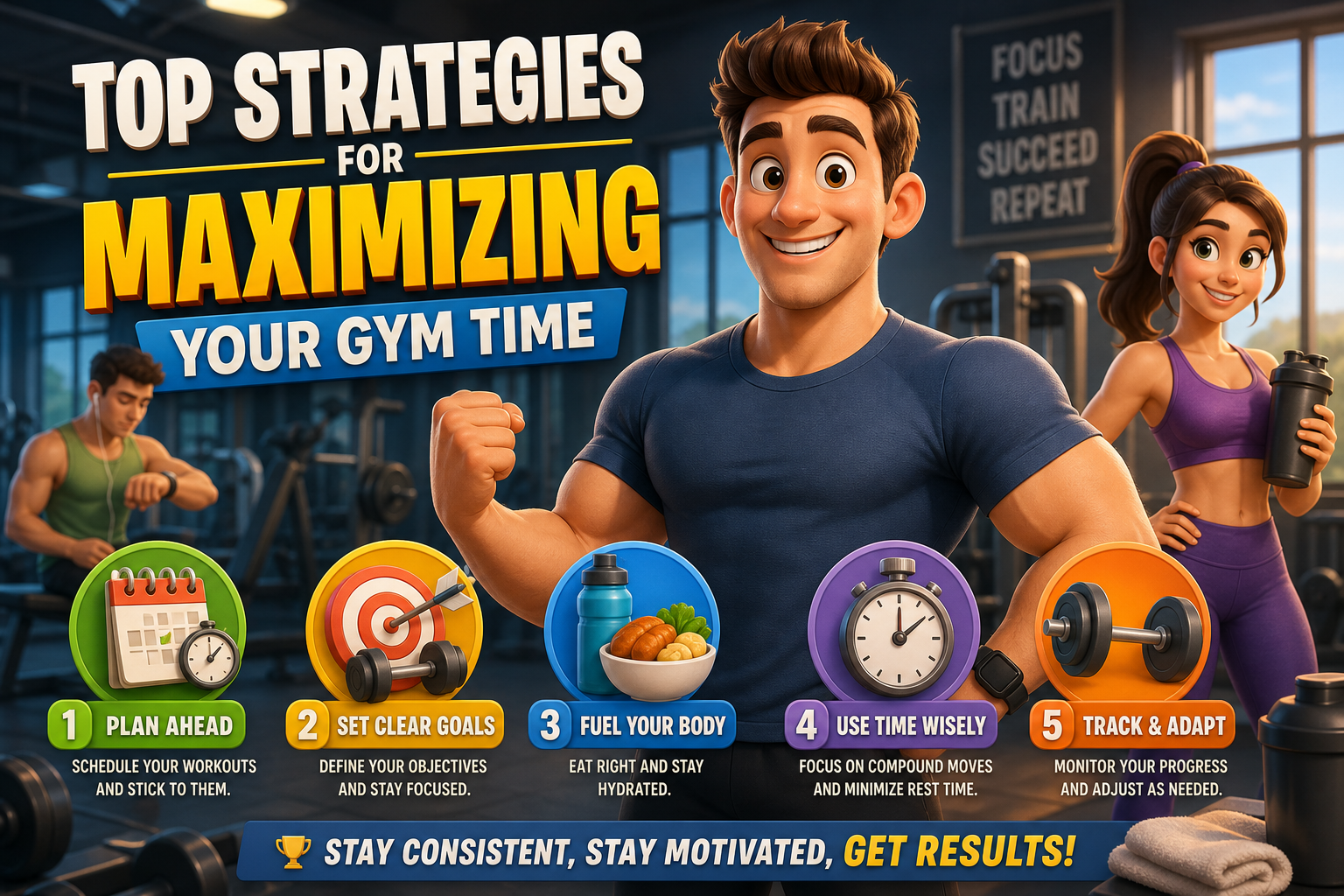
Before you step into any gym, it is essential to understand your fitness goals. Are you aiming to lose weight, build muscle, or improve endurance? Each of these goals requires a different approach. For example, if your aim is weight loss, incorporating cardio and high-intensity interval training (HIIT) can be effective. On the other hand, muscle gain usually focuses on resistance training with heavier weights and fewer repetitions. To maximize your gym time, clearly define what you want to achieve. Write down your goals and keep them visible. This practice helps you stay motivated.
Moreover, consider setting both short-term and long-term goals. Short-term goals might involve working out three times a week for a month, while long-term goals could include completing a marathon or achieving a specific weight. Breaking down larger goals into manageable steps makes the process less overwhelming. Regularly reviewing and adjusting your goals also ensures they remain relevant and achievable.
Creating a Structured Workout Plan
Once you know your goals, the next step is creating a structured workout plan. A good workout plan acts as a roadmap for your gym sessions. Start by identifying the days you can commit to working out each week. For instance, if you plan to visit the gym four times a week, designate which muscle groups you will focus on each day. You could dedicate one day to legs, another to chest, and so on. This approach allows for adequate recovery time for each muscle group.
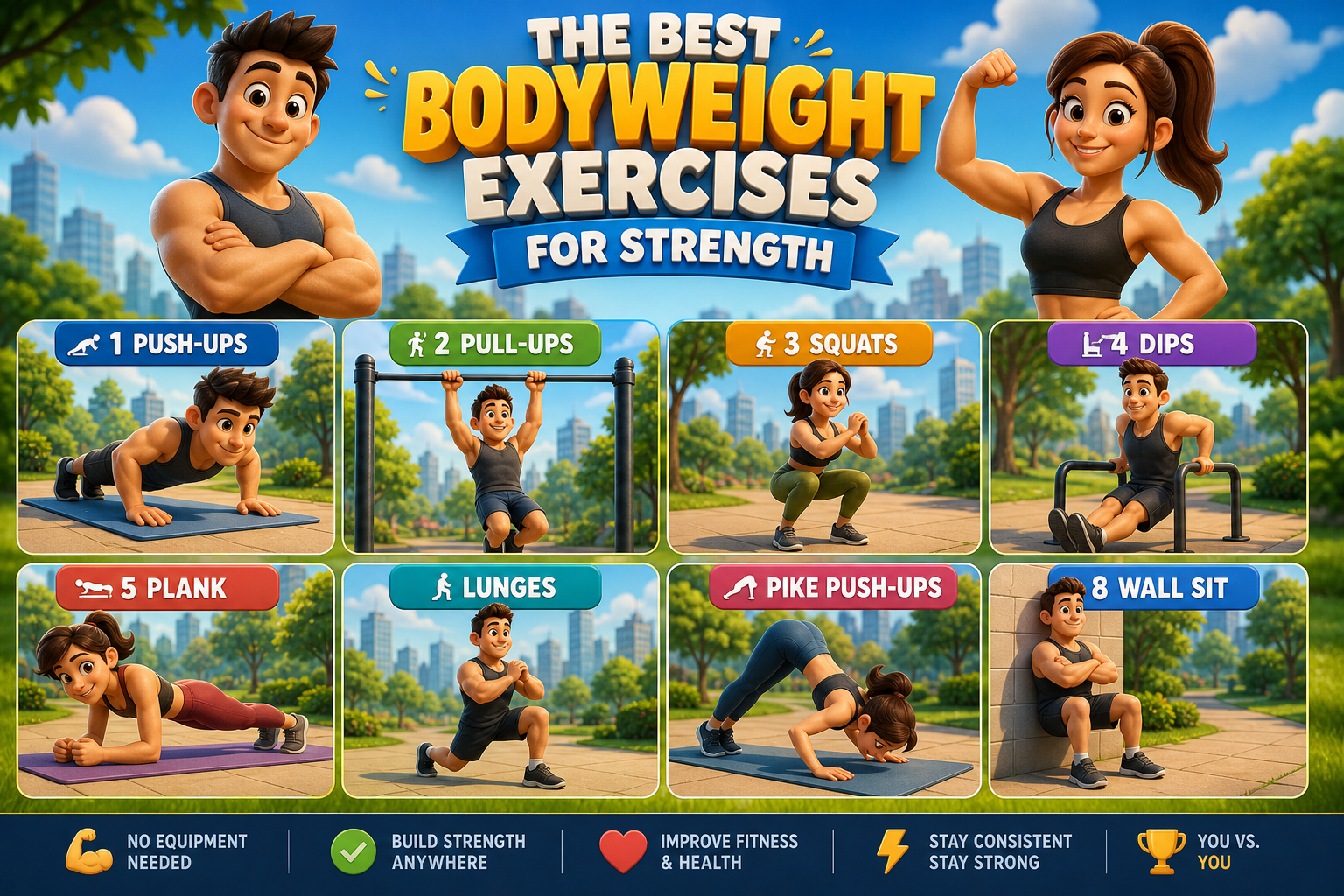
Additionally, consider incorporating different workout styles to keep things fresh. For example, you might alternate between strength training, cardio, and flexibility exercises. This variety not only prevents boredom but also challenges different muscle groups, leading to better overall results. Remember to allow for flexibility in your plan. Life can be unpredictable, and having a plan that you can adjust is key to consistency.
Utilizing Technology and Fitness Apps
In today’s digital age, technology plays a vital role in maximizing gym time. Fitness apps can track your workouts, monitor your progress, and even provide virtual coaching. Popular apps like MyFitnessPal and Fitbit are excellent for tracking nutrition and activity levels. They help you stay accountable and make necessary adjustments to your routine based on your progress.
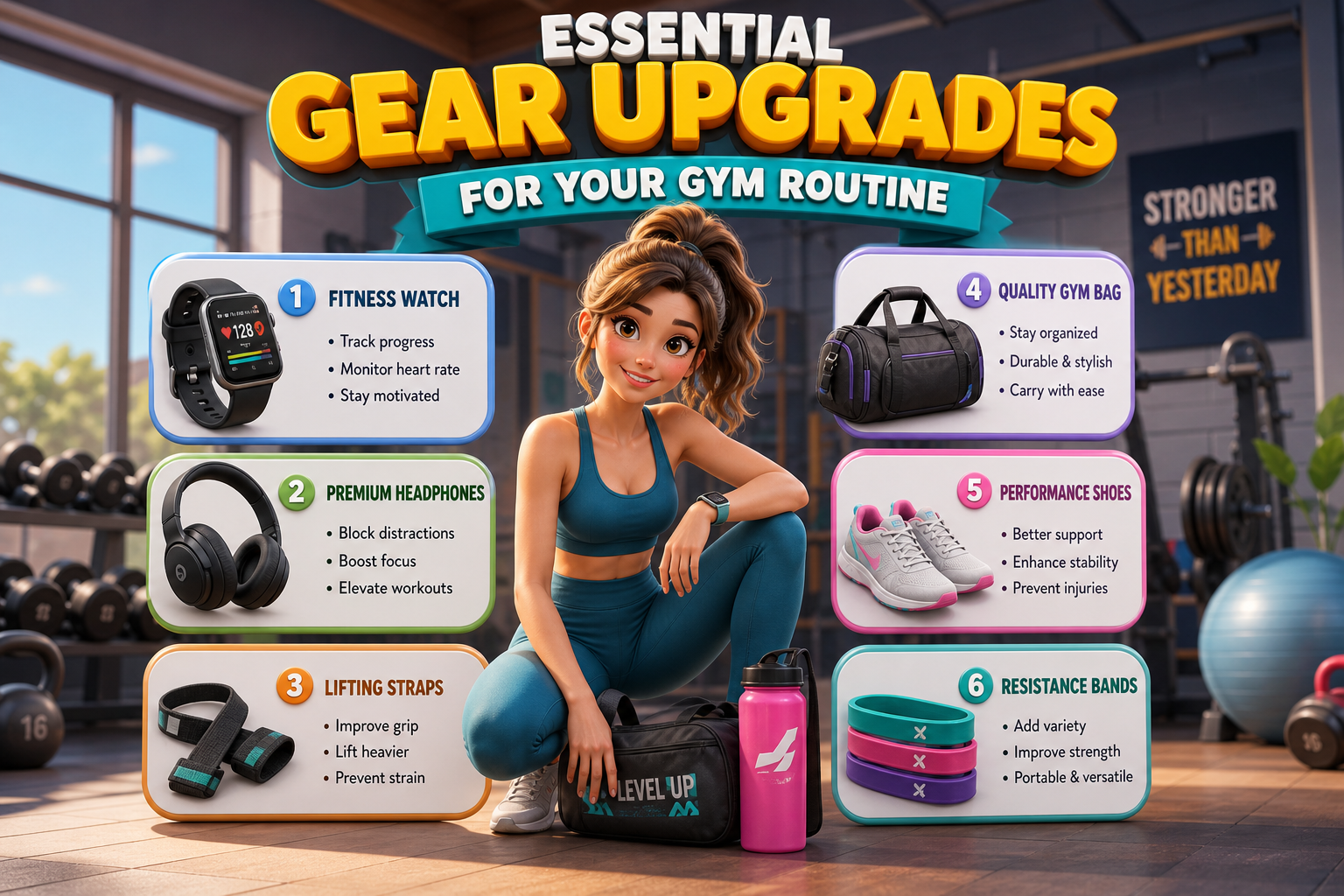
Moreover, consider using wearable devices such as smartwatches. These devices can monitor your heart rate, track your steps, and even provide reminders to stay active. By using technology, you can gain valuable insights into your fitness journey, making it easier to stay on track. Just remember to focus on your goals and avoid getting lost in the data. Too much information can sometimes lead to confusion rather than clarity.
Prioritizing Warm-Up and Cool-Down
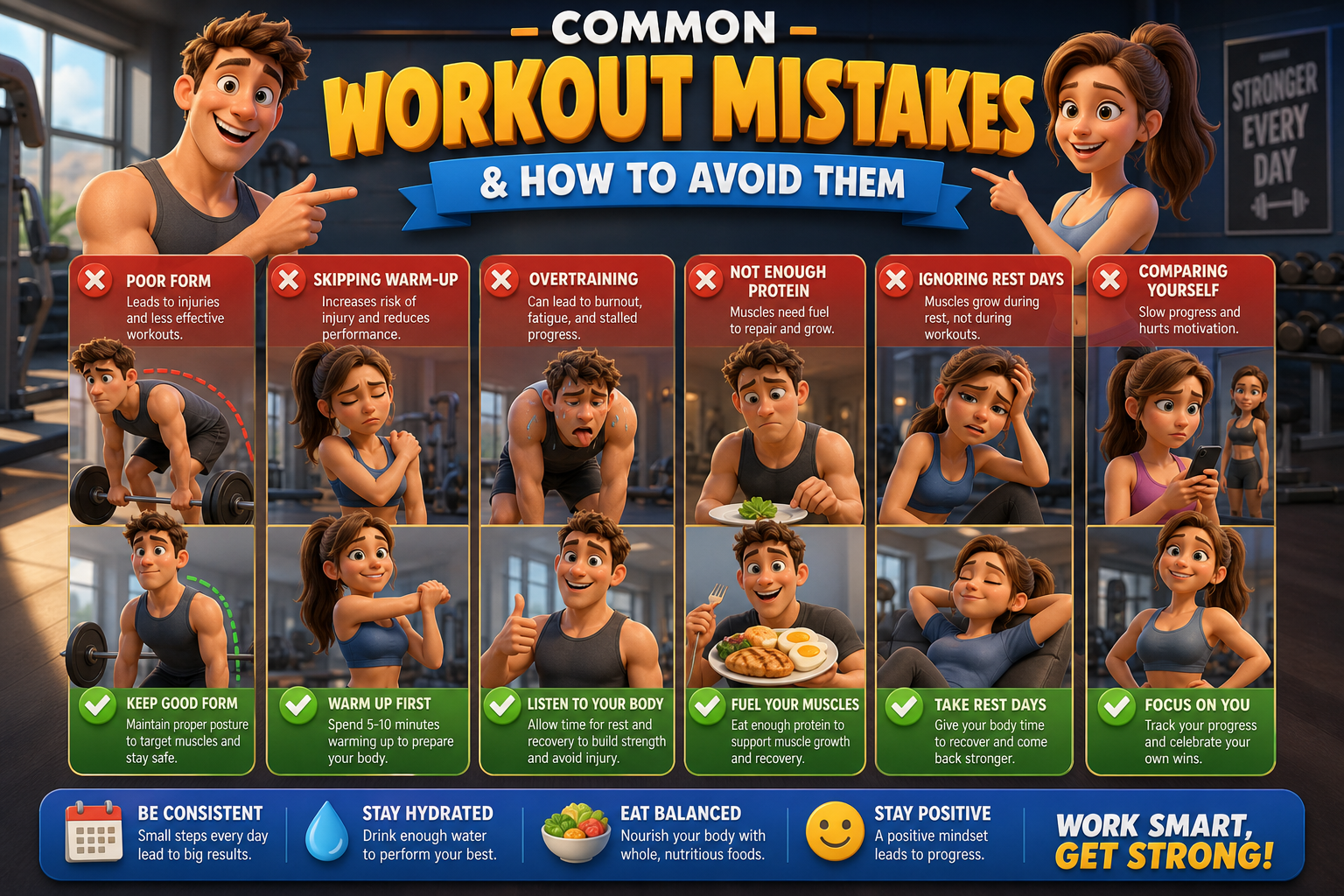
Many gym-goers often skip warm-up and cool-down sessions, thinking they waste time. However, prioritizing these phases can significantly enhance your performance and recovery. A proper warm-up prepares your body for exercise by increasing blood flow to muscles and improving flexibility. Simple activities like jogging or dynamic stretches for 5 to 10 minutes can make a big difference.
After your workout, cooling down is just as important. It helps your body gradually return to its resting state and can reduce muscle stiffness and soreness. Spend time stretching the major muscle groups you worked during your session. Not only will this help with recovery, but it also increases your range of motion over time.
Incorporating High-Intensity Interval Training (HIIT)
High-Intensity Interval Training, or HIIT, is a popular method for maximizing gym time. This training style alternates between intense bursts of activity and short rest periods. For example, you might sprint for 30 seconds, followed by a 30-second walk, repeating the cycle for 15 to 20 minutes. HIIT is effective because it burns a significant amount of calories in a short amount of time.
Incorporating HIIT into your routine can also improve cardiovascular health and boost metabolism. Because of its efficiency, many people find they can achieve their fitness goals faster with HIIT compared to traditional steady-state cardio exercises. Just be cautious and listen to your body. If you are new to exercise, start slowly and gradually increase the intensity and duration of your sessions. This approach helps prevent injury and promotes long-term success.
Focusing on Nutrition and Hydration
What you eat plays a important role in maximizing your gym time. Proper nutrition provides the fuel your body needs to perform at its best. Focus on a balanced diet that includes a variety of fruits, vegetables, lean proteins, and whole grains. These foods will provide the energy necessary for your workouts and help with recovery afterward.
Additionally, hydration is vital. Drinking enough water before, during, and after your workout can improve performance and reduce fatigue. Aim for at least 8 ounces of water before your workout and sip on more throughout your session. If you are exercising for over an hour, consider a sports drink to replenish electrolytes. Pay attention to your body’s signals. If you feel thirsty, your body may already be slightly dehydrated.
Staying Consistent and Motivated
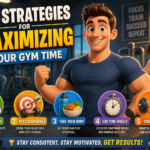
Consistency is key to maximizing your gym time. Establishing a routine can help you stay committed to your fitness goals. Try to work out at the same times each week. This habit makes it easier to fit workouts into your schedule. To stay motivated, consider working out with a friend or joining group classes. Exercising with others can make workouts more enjoyable and push you to stay accountable.
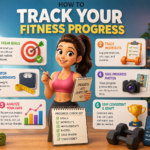
Additionally, celebrate your achievements, no matter how small. Whether it is lifting a heavier weight or completing an extra set, acknowledging your progress can boost your motivation. You might also want to track your workouts in a journal or app. Seeing your progress over time can inspire you to keep going.
Evaluating and Adjusting Your Routine
Finally, regularly evaluating and adjusting your workout routine is essential for long-term success. After a few weeks or months, take time to reflect on your progress. Are you meeting your goals? If not, consider what changes you can make. Perhaps you need to increase the intensity of your workouts or change your exercises to avoid boredom.
Listening to your body is also critical. If you feel fatigued or notice pain, it may be time to rest or modify your routine. Additionally, as you gain strength and endurance, your workout needs will evolve. Stay flexible and be willing to adapt your routine to continue making progress. Remember, fitness is a journey, not a destination. Embrace the process and enjoy the results.