








Understanding Muscle Building
Building muscle is a process that involves various factors, including proper nutrition, consistent exercise, and adequate rest. When you challenge your muscles through resistance training, tiny tears occur in the muscle fibers. This process is known as muscle hypertrophy. To rebuild and grow stronger, your body requires protein and energy. Therefore, having a balanced diet is essential for muscle growth. In 2026, many people are looking for efficient ways to build muscle fast. This guide will explore some of the best exercises, strategies, and tips to help you achieve your goals.
Why Compound Exercises Are Essential
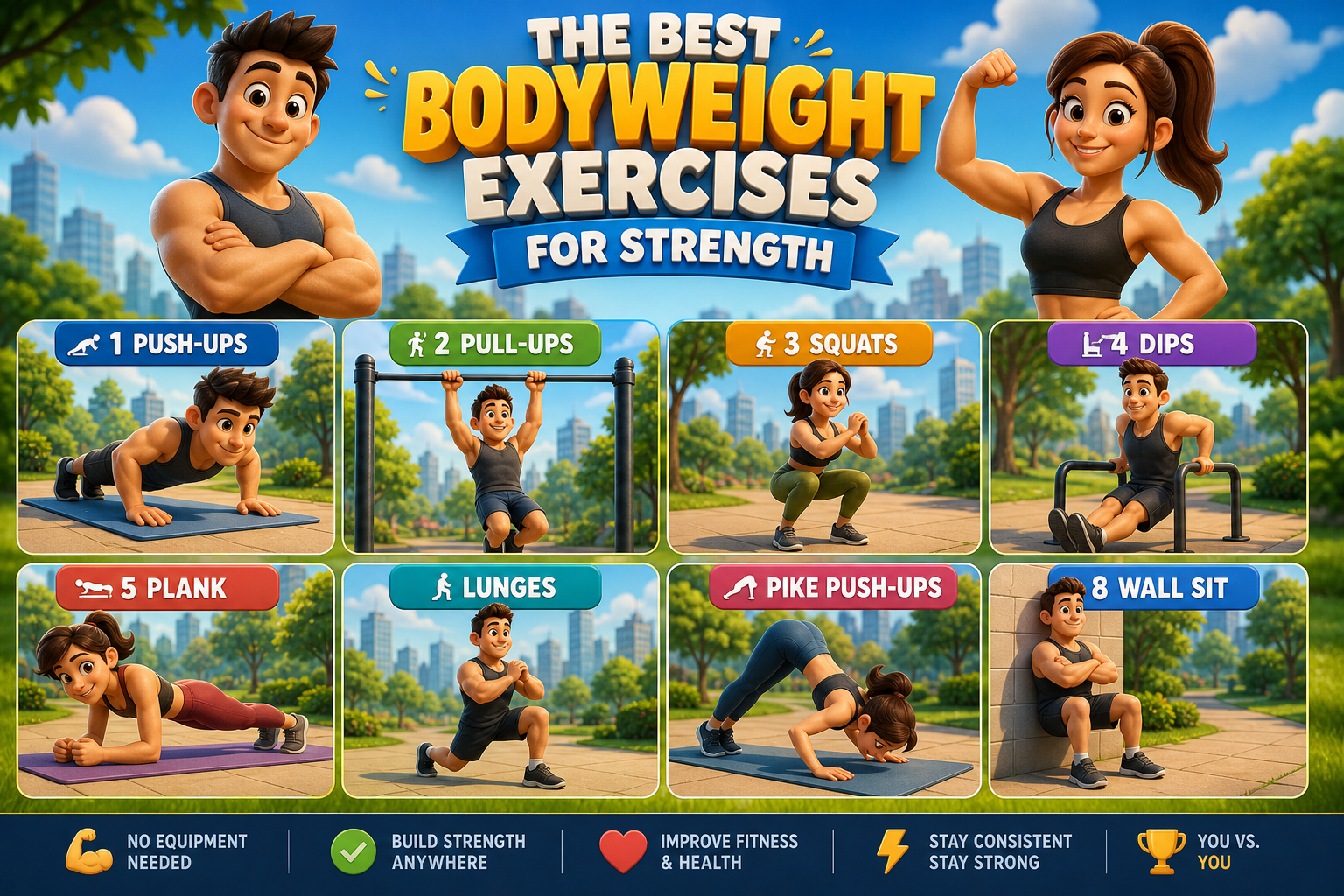
Compound exercises involve multiple joints and muscle groups. These movements are excellent for building muscle quickly because they allow you to lift heavier weights and engage more muscle fibers. Examples include squats, deadlifts, and bench presses. Not only do these exercises promote muscle growth, but they also improve your overall strength and functional fitness. For instance, when performing a squat, you engage your legs, core, and even your back. This multi-muscle engagement leads to more calories burned and greater muscle stimulation.
Squats: The King of Muscle Builders
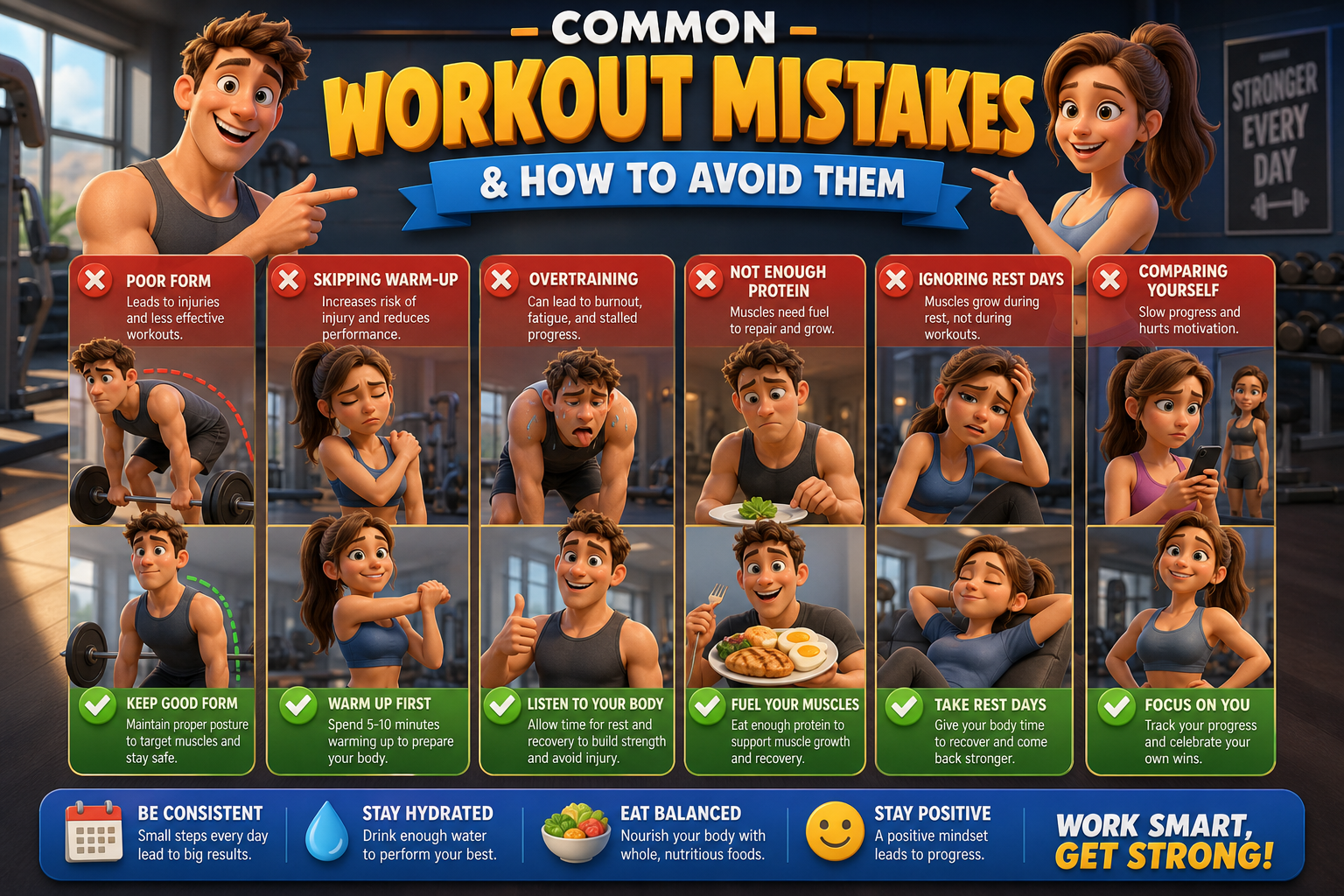
Squats are often referred to as the king of muscle-building exercises. They target your quadriceps, hamstrings, glutes, and lower back. To perform a squat correctly, stand with your feet shoulder-width apart. Lower your body by bending at the knees and hips, keeping your chest up and back straight. Aim for your thighs to be parallel to the ground. You can enhance the effectiveness of squats by adding weights, such as dumbbells or a barbell, as you become more comfortable with the movement.
Deadlifts: A Full-Body Workout
Deadlifts are another powerful compound exercise that targets the entire posterior chain, including your hamstrings, glutes, and back. To perform a deadlift, stand with your feet hip-width apart and the barbell over your mid-foot. Bend at the hips and knees to grasp the bar with both hands. Lift the barbell by extending your hips and knees until you stand upright. Ensure your back remains flat throughout the movement. Deadlifts not only build muscle but also enhance your grip strength, which is beneficial for other exercises.
Incorporating Isolation Exercises
While compound exercises are vital, isolation exercises also play a significant role in muscle building. These exercises target a specific muscle group, helping to improve overall muscle definition and size. For example, bicep curls focus solely on the biceps, allowing for targeted growth in that area. Isolation exercises are particularly useful for addressing muscle imbalances. If one muscle group is weaker than another, targeting it through isolation can help achieve a more balanced physique.
Effective Isolation Exercises
Some effective isolation exercises include bicep curls, tricep extensions, and leg curls. To perform a bicep curl, stand or sit with a dumbbell in each hand, arms hanging at your sides. Slowly curl the weights towards your shoulders while keeping your elbows close to your body. This movement isolates the bicep muscle and promotes growth. Tricep extensions can be done overhead or lying down, targeting the triceps for balanced arm development. Leg curls focus on the hamstrings and can be performed using a machine or resistance bands.
The Importance of Progressive Overload
Progressive overload is the principle of gradually increasing the weight, frequency, or intensity of your workouts. This concept is essential for building muscle fast. Your muscles need to be challenged to grow. If you consistently lift the same weight, your body will adapt, and muscle growth will plateau. To apply progressive overload, you can increase the weights you lift, add more sets or reps, or decrease your rest time between sets. For example, if you can comfortably perform ten squats with a certain weight, aim to increase the weight or add two more reps on your next workout.
Training Frequency and Recovery
To maximize muscle growth, training frequency and recovery are important. Training a muscle group once a week may not be enough for optimal growth. In 2026, many fitness experts recommend training each muscle group two to three times per week. This frequency allows for more stimulus and promotes muscle adaptation. However, adequate recovery is essential. Muscles need time to repair and grow stronger. Ensure you have at least one day of rest between training sessions for the same muscle groups. Incorporating active recovery days with light activities can also aid in muscle recovery.
Nutrition: Fueling Muscle Growth
Nutrition plays a critical role in building muscle. A diet rich in protein, healthy fats, and carbohydrates is essential for muscle repair and growth. In 2026, many nutritionists recommend consuming around 1.6 to 2.2 grams of protein per kilogram of body weight. Sources of protein include lean meats, fish, eggs, dairy, legumes, and nuts. In addition to protein, carbohydrates are vital for providing energy during workouts. Whole grains, fruits, and vegetables should be included in your diet to support overall health and performance.
Hydration and Supplements
Staying hydrated is another key factor in muscle building. Water helps transport nutrients to your muscles and supports recovery. Aim to drink at least 2-3 liters of water daily, especially during intense workouts. In 2026, many people also consider supplements to support their muscle-building journey. Popular choices include whey protein, creatine, and branched-chain amino acids (BCAAs). However, it is essential to consult a healthcare provider before starting any new supplement.
Creating a Balanced Workout Plan
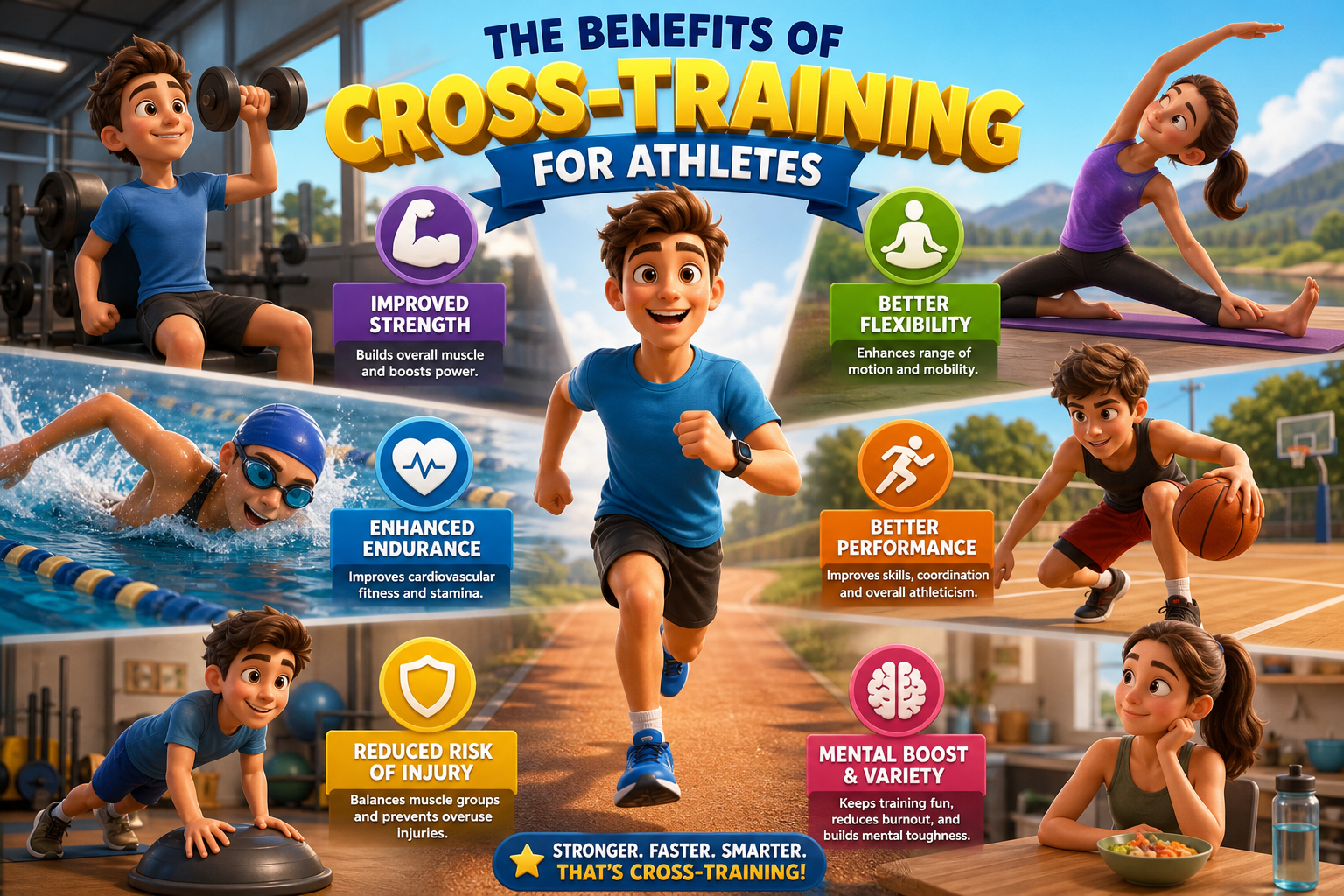
To build muscle fast, creating a balanced workout plan is essential. Your plan should include both compound and isolation exercises, focusing on all major muscle groups. A sample week might include two days of upper body workouts, two days of lower body workouts, and one day dedicated to full-body exercises. Ensure that you vary your workouts to prevent boredom and keep your muscles guessing. Incorporating different variations of exercises can also help target muscles from various angles.
Tracking Your Progress
Tracking your progress is vital for staying motivated and ensuring that you are on the right path to building muscle. Consider keeping a workout journal where you log your exercises, weights, and repetitions. This practice allows you to see how far you have come and make necessary adjustments to your training plan. Additionally, taking progress photos and measurements can provide visual motivation. Celebrate your achievements, no matter how small, to keep yourself focused on your muscle-building journey.
Conclusion: Staying Committed to Your Goals
Building muscle fast requires dedication, consistency, and a well-rounded approach. Incorporating compound and isolation exercises, practicing progressive overload, and maintaining proper nutrition are all essential components. Remember that results take time, and staying committed to your goals will lead to success. As you embark on your muscle-building journey in 2026, keep these principles in mind. With hard work and determination, you can achieve the physique you desire.