
Introduction to Fitness Goals
Setting realistic fitness goals is essential for anyone looking to improve their health and well-being. Many people start their fitness journeys with big dreams, but without a clear plan, those dreams can quickly fade. Fitness goals help you track your progress, stay motivated, and create a sustainable routine. In 2026, with the rise of personalized fitness apps and social media communities, it is easier than ever to find support and resources. This article will guide you through the process of setting realistic fitness goals, ensuring you create a roadmap that leads to success.
Understanding the Importance of Fitness Goals
Fitness goals are not just about losing weight or running faster. They provide direction and purpose. When you set a fitness goal, you define what you want to achieve. This could be building strength, improving endurance, or enhancing flexibility. Goals help you focus your efforts. Additionally, they can help you make better lifestyle choices. For example, if your goal is to run a 5k, you might choose healthier meals to fuel your training.
Moreover, having clear goals can boost your mental resilience. When you face challenges, knowing your goal can keep you motivated. Studies show that individuals who set specific, measurable goals are more likely to succeed. This is because goals create accountability and encourage commitment. This year, as you think about your fitness journey, consider how goal-setting can transform your approach.
Types of Fitness Goals
Fitness goals can be categorized into different types. Understanding these types can help you create a balanced fitness plan. Here are some common categories:
Short-term Goals
Short-term goals are achievable within a few weeks to a couple of months. Examples include losing a few pounds, completing a specific workout routine, or attending classes regularly. These goals help build momentum and keep you motivated as you progress.
Long-term Goals
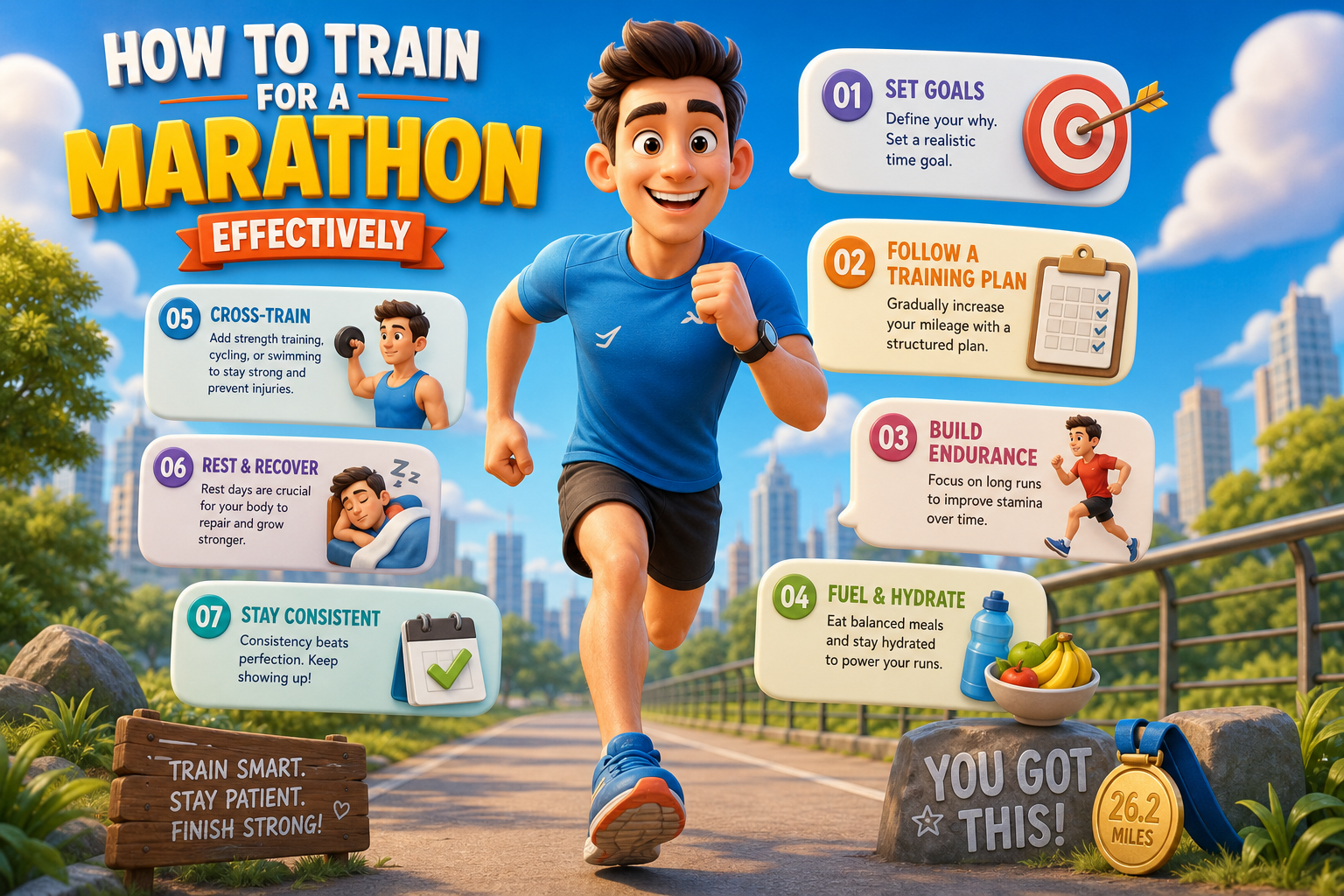
Long-term goals are broader and take more time to achieve. They could include running a marathon, achieving a certain body composition, or participating in a fitness competition. These goals provide a vision for your fitness journey and help guide your short-term goals.
Performance Goals
Performance goals focus on how well you can perform a specific activity. For instance, you might aim to lift a certain weight, run a particular distance, or complete a set number of repetitions. These goals are excellent for measuring progress in your fitness routine.
Health Goals
Health goals target overall well-being. This could mean lowering blood pressure, improving cholesterol levels, or increasing energy levels. These goals are often linked to lifestyle changes and encourage holistic fitness habits.
How to Assess Your Current Fitness Level
Before setting goals, it is important to assess your current fitness level. This helps you create realistic and achievable targets. Start by evaluating your physical condition. You can do this through various methods:
- Fitness Tests: Perform basic tests to measure strength, endurance, and flexibility. For example, try to complete a one-mile run or do push-ups in one minute.
- Body Measurements: Take note of your weight, body fat percentage, and measurements. This data will provide a baseline for your goals.
- Medical Assessment: If you have any health concerns, consult a healthcare professional. They can provide insights into safe fitness practices and necessary precautions.
By understanding where you stand, you can set goals that are challenging yet achievable. This self-assessment is a important first step in your fitness journey.
Setting SMART Goals
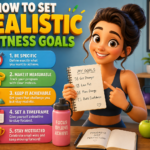
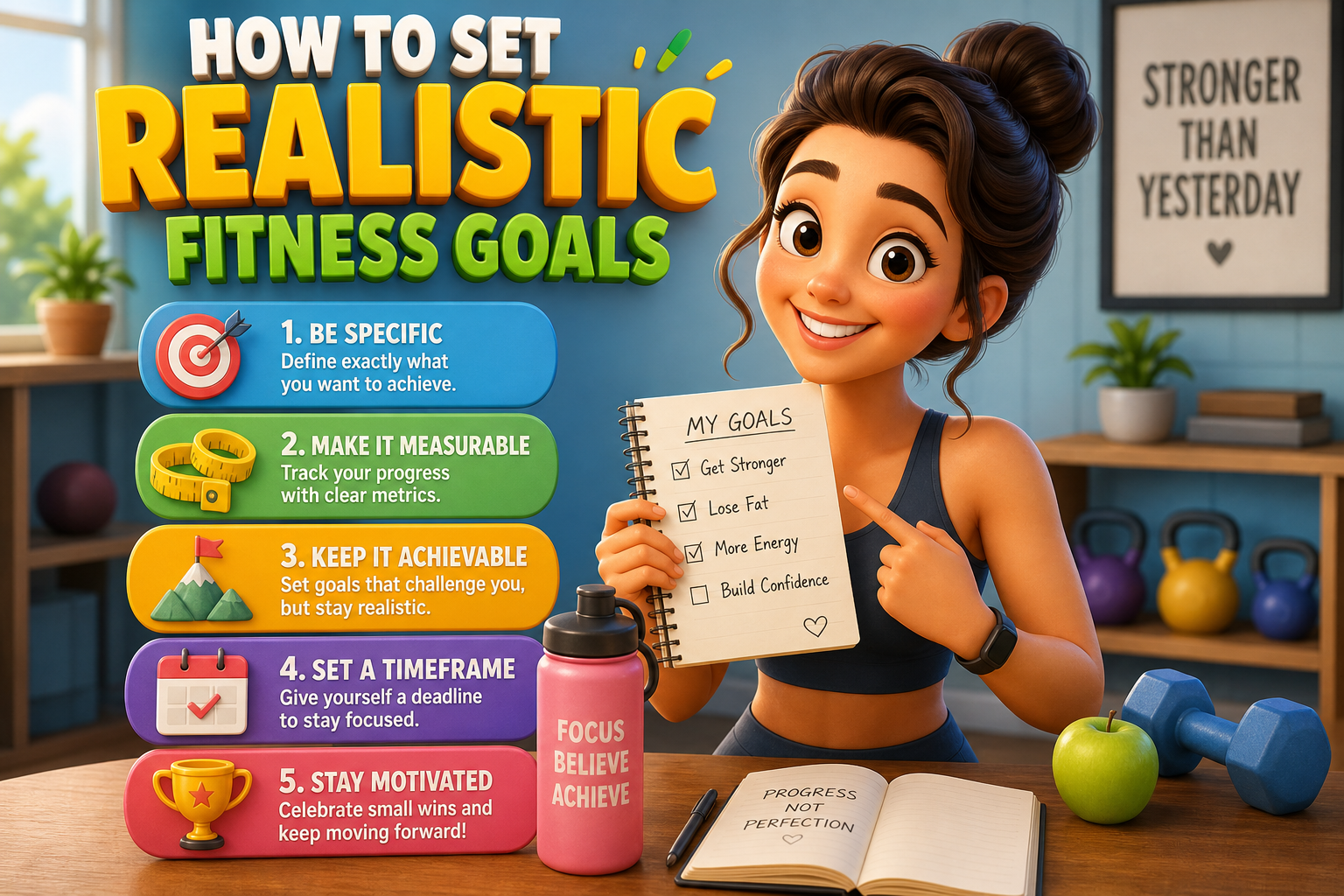
One effective way to set realistic fitness goals is to use the SMART criteria. SMART stands for Specific, Measurable, Achievable, Relevant, and Time-bound. Let’s break this down:
Specific
Your goal should be clear and specific. Instead of saying “I want to get fit,” say “I want to run 3 miles without stopping.” This clarity helps you focus your efforts.
Measurable
Ensure that your goal can be measured. This allows you to track your progress. For example, “I want to lose 5 pounds in two months” is measurable.
Achievable
Your goal should be realistic. While it is great to aim high, setting an unachievable goal can lead to frustration. Consider your current fitness level and lifestyle when setting your goals.
Relevant
Make sure your goal is relevant to your interests and needs. If you dislike running, setting a goal to run a marathon may not be the best choice. Choose activities you enjoy.
Time-bound
Add a timeframe to your goal to create a sense of urgency. For instance, “I want to complete a 5k in 3 months” gives you a clear deadline.
Creating an Action Plan
Once you have set your goals, it is time to create an action plan. An action plan outlines the steps you need to take to achieve your goals. Here are some steps to help you build an effective plan:
Identify Key Activities
List the activities that will help you achieve your goals. If your goal is to run a 5k, your activities might include running three times a week, strength training, and cross-training.
Establish a Schedule
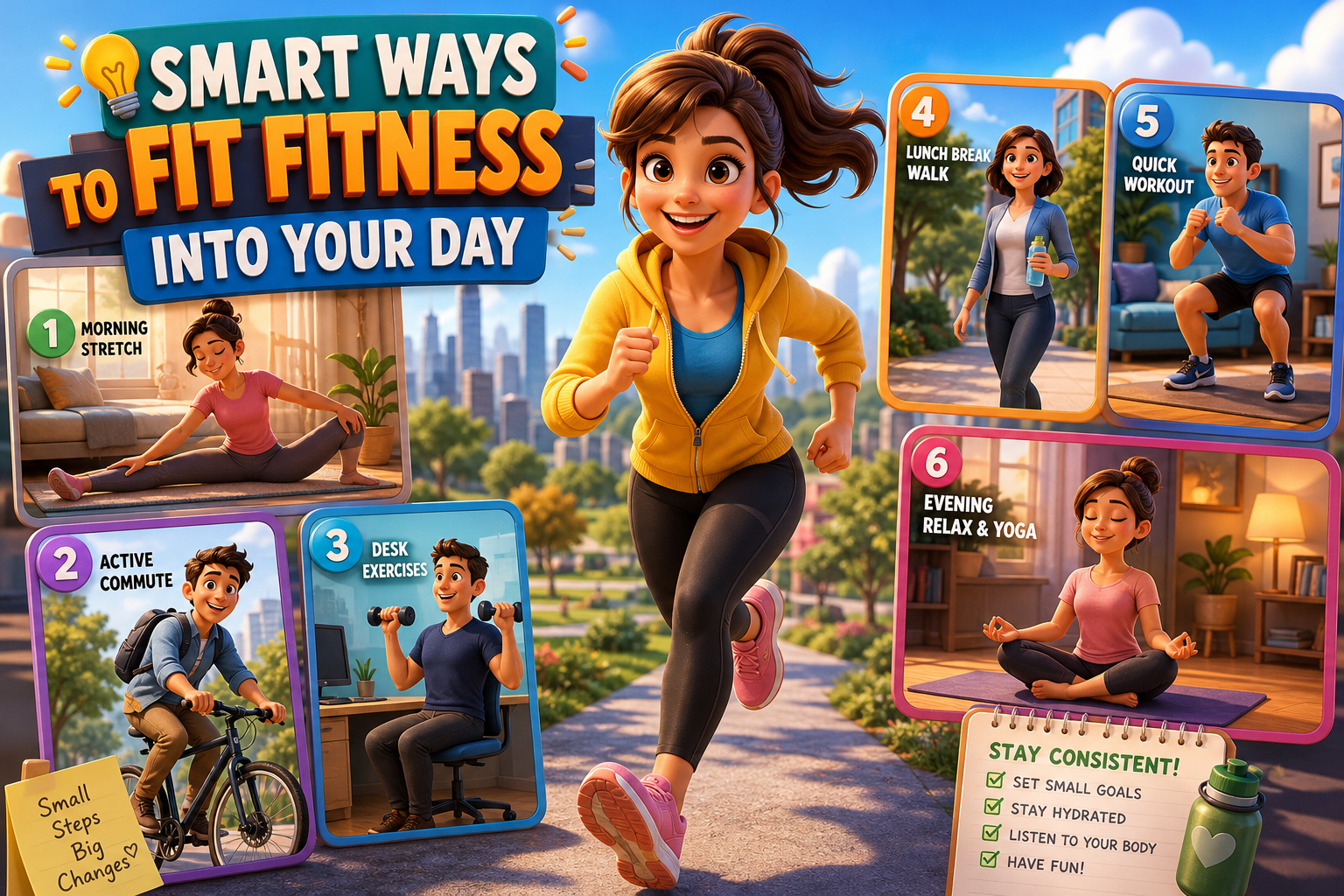
Creating a workout schedule is essential. Decide which days and times you will commit to your workouts. Consistency is key to achieving your fitness goals. Make sure to include rest days to allow your body to recover.
Gather Resources
Identify any resources you might need. This could be workout gear, a gym membership, or online classes. In 2026, there are many apps and resources available to help you stay on track.
Track Your Progress
Keep a journal or use a fitness app to log your workouts and progress. This will help you stay accountable and motivated. Seeing your improvements can boost your confidence and commitment.
Staying Motivated
Staying motivated can be one of the biggest challenges in achieving fitness goals. Here are some strategies to keep your spirits high:
Set Mini-Goals
Break your main goal into smaller, manageable mini-goals. This allows you to celebrate small victories along the way. For example, if your goal is to lose 20 pounds, aim to lose 2 pounds each week. Each small success will motivate you to keep going.
Find a Workout Buddy
Having a workout partner can make your fitness journey more enjoyable. You can encourage each other, share progress, and hold one another accountable. This support makes workouts more fun.
Mix Up Your Routine
Doing the same workouts can become boring. To keep things fresh, try new exercises, classes, or sports. This variety can keep you engaged and excited about your fitness journey.
Reward Yourself
Set up a reward system for reaching your milestones. This could be treating yourself to new workout gear, a massage, or a fun outing. Rewards can serve as motivation to achieve your goals.
Overcoming Setbacks
Setbacks are a normal part of any fitness journey. Whether it’s an injury, lack of progress, or loss of motivation, understanding how to cope with these challenges is vital. Here are some tips:
Accept That Setbacks Happen
Recognize that everyone faces obstacles. Accepting this can help you maintain a positive mindset. Instead of feeling defeated, view setbacks as learning opportunities.
Reassess Your Goals
If you experience a setback, take time to reassess your goals. Are they still realistic? Sometimes, adjusting your goals is necessary to reflect your current situation.
Seek Support
Do not hesitate to reach out to friends, family, or fitness communities for support. Sharing your struggles can lighten the burden and provide new perspectives.
Stay Flexible
Flexibility is essential in fitness. If a workout plan is not working, modify it. Create a plan that works for you. Remember, it is okay to take breaks and come back stronger.
Evaluating Your Progress
Regularly evaluating your progress is essential for staying on track. Here are some ways to assess how far you have come:
Track Your Workouts
Keep a record of your workouts to see improvements over time. Note your exercises, weights, distances, and times. This will help you identify patterns and areas for improvement.
Monitor Your Body Measurements
Take regular measurements of your body to see physical changes. This could include weight, body fat percentage, or inches lost. Remember, the scale does not tell the whole story.
Reflect on Your Mental State
Fitness is not just about physical changes. Reflect on how you feel mentally and emotionally. Are you more energetic? Is your mood improved? These changes are equally important.
Set New Goals
As you achieve your goals, consider setting new ones. This keeps your fitness journey exciting and challenging. Continually striving for improvement will help you maintain your commitment.
Utilizing Technology and Resources
In 2026, technology can significantly enhance your fitness journey. Here are some useful tools and resources:
Fitness Apps
There are many apps available that can help you track workouts, set goals, and monitor progress. Popular options include MyFitnessPal, Strava, and Fitbit. These apps can provide personalized insights based on your data.
Wearable Technology
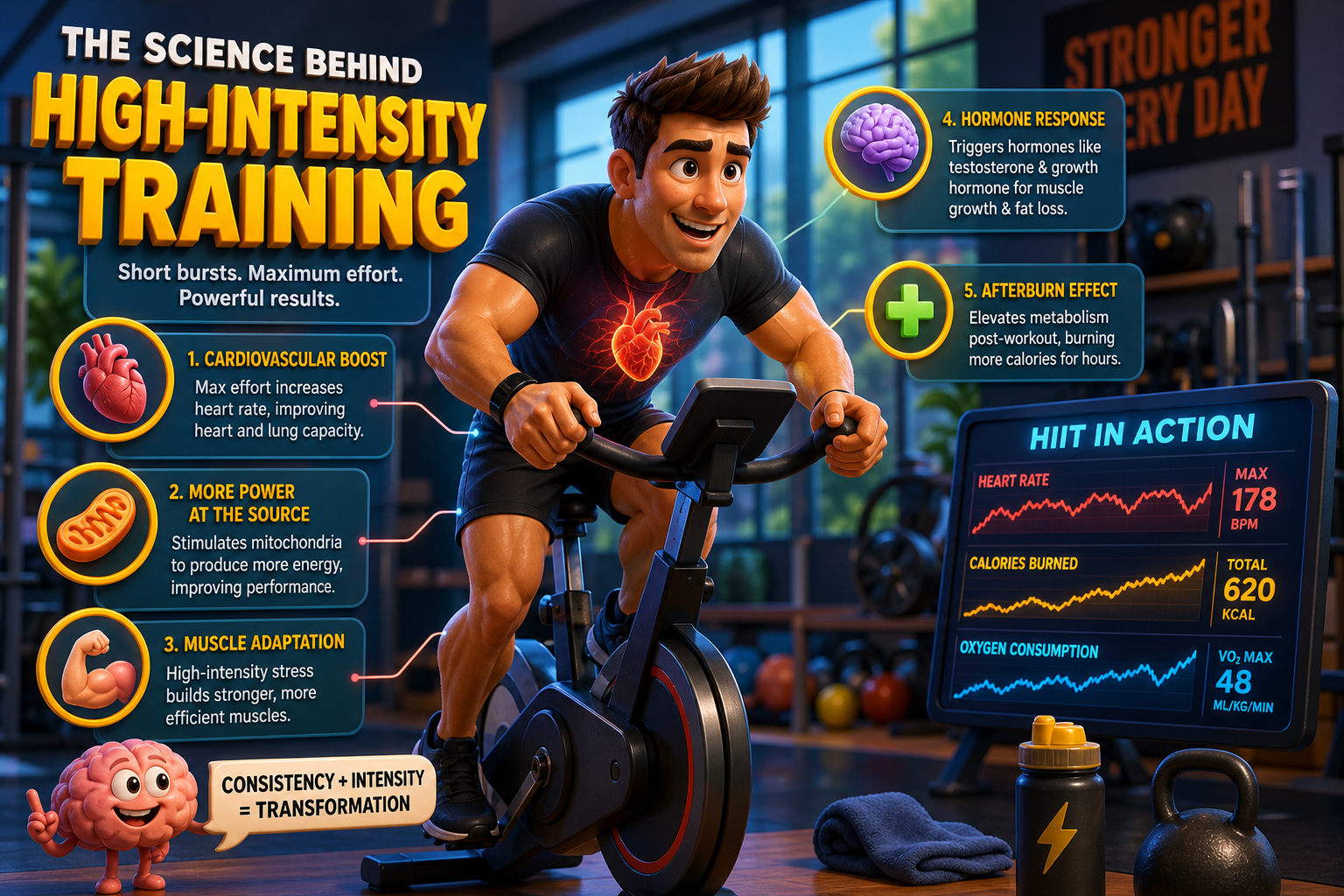
Wearable devices like smartwatches and fitness trackers can offer real-time feedback on your physical activity. They can track heart rate, calories burned, and even sleep patterns. This information can help you adjust your fitness routine.
Online Communities
Joining online fitness communities can provide support and motivation. Platforms like Reddit, Facebook groups, or fitness-specific forums allow you to share experiences, ask questions, and find encouragement.
Virtual Coaching
Many trainers offer virtual coaching services. This can be a great way to receive personalized guidance without needing to meet in person. They can help you stay accountable and provide expert advice.
Conclusion: The Journey to Fitness Success
Setting realistic fitness goals is a important step toward achieving long-term success. By understanding the importance of goals, assessing your fitness level, and creating a solid action plan, you are well on your way to reaching your aspirations. Remember to stay motivated, overcome setbacks, and regularly evaluate your progress. Use technology and resources available in 2026 to enhance your journey. With commitment and the right mindset, you can achieve your fitness goals and enjoy a healthier, happier life. Start today, and take that first step toward your fitness journey.