


The Basics of High-Intensity Training
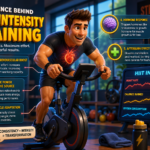
High-intensity training, often referred to as HIT, involves short bursts of intense exercise followed by rest or lower intensity periods. This method is popular due to its efficiency and effectiveness in improving fitness levels. Unlike traditional workouts, which may focus on steady-state cardio or long-duration sessions, HIT maximizes effort in a shorter time. This strategy can lead to better results in terms of fat loss, muscle gain, and improved cardiovascular health.
In 2026, various forms of high-intensity training exist. These include high-intensity interval training (HIIT), circuit training, and Tabata. Each method brings unique benefits but shares the core principle of intense effort followed by recovery. For example, during a HIIT session, an individual might sprint for 30 seconds, followed by a minute of walking. This cycle can be repeated for 20-30 minutes, making the workout both time-efficient and effective.
The Science Behind High-Intensity Training
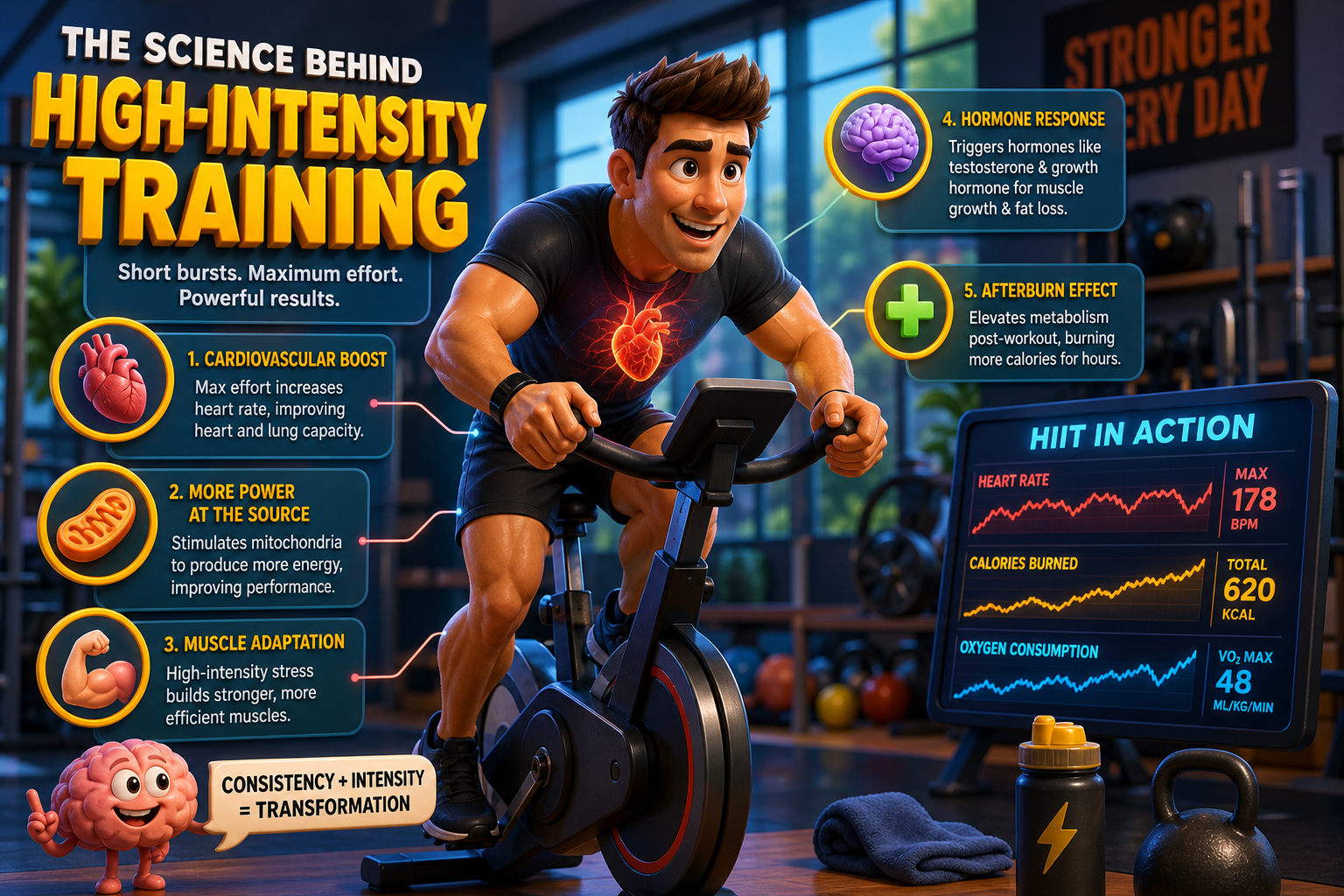
At its core, high-intensity training is rooted in science. Research shows that when you perform exercises at a high intensity, your body responds differently compared to moderate training. This response includes increased heart rate, higher calorie burn, and enhanced metabolic pathways. Studies conducted in recent years highlight that HIT can lead to significant improvements in cardiovascular fitness and muscle strength.
When engaging in high-intensity training, your body utilizes both aerobic and anaerobic energy systems. The aerobic system provides energy during longer, moderate activities, while the anaerobic system kicks in during short, intense bursts. This shift allows for a more significant energy expenditure over a shorter workout period, making HIT a powerful tool for those looking to enhance their fitness.
Benefits of High-Intensity Training
The benefits of high-intensity training are numerous. First, it is time-efficient. Many people lead busy lives, and HIT allows them to achieve fitness goals in less time. A 20-minute HIT session can burn as many calories as an hour of moderate exercise. Because of this, many individuals find it easier to fit workouts into their schedules.
Moreover, HIT has been shown to improve insulin sensitivity. This means the body can better utilize glucose, which is critical for energy. Enhanced insulin sensitivity can lower the risk of type 2 diabetes and help maintain a healthy weight. Additionally, high-intensity workouts can boost metabolic rate for hours post-exercise, a phenomenon known as excess post-exercise oxygen consumption (EPOC).
How to Get Started with High-Intensity Training
Starting high-intensity training does not require advanced fitness levels. Beginners should focus on building a solid foundation. It is essential to consult with a healthcare professional before beginning any new exercise program. Once cleared, start with a mix of moderate and high-intensity workouts. For example, you might do a 1:2 ratio of high intensity to recovery. This means if you sprint for 20 seconds, you walk for 40 seconds.
Using bodyweight exercises can also be a great introduction. Exercises like squats, push-ups, and burpees can be performed at a high intensity without any equipment. As strength and endurance improve, consider incorporating weights or resistance bands. It is important to focus on proper form to prevent injury. Tracking progress with a fitness app can help monitor improvements and stay motivated.
Common Mistakes in High-Intensity Training
One common mistake in high-intensity training is pushing too hard too soon. Beginners might feel the urge to go all out right away. However, this can lead to burnout or injury. Instead, it is better to gradually increase intensity. Listen to your body and adjust accordingly. Another mistake is neglecting recovery time. Recovery is just as important as the workout itself. Without proper rest, the body cannot repair and strengthen.
Additionally, many people focus solely on cardio and forget about strength training. While cardio is a key component of HIT, incorporating strength exercises can enhance overall fitness. This combination leads to better muscle development and improved metabolism. Lastly, inadequate hydration can hinder performance. Drink water before, during, and after workouts to stay hydrated and support recovery.
High-Intensity Training for Weight Loss
High-intensity training is an effective method for weight loss. The concept of EPOC, mentioned earlier, plays a significant role in this process. After a high-intensity workout, the body continues to burn calories as it recovers. This can lead to greater fat loss compared to traditional cardio over time. Furthermore, HIT can help retain muscle mass, which is vital when trying to lose weight.
To maximize weight loss through high-intensity training, combine it with a balanced diet. Focus on whole foods, lean proteins, and plenty of fruits and vegetables. Planning meals around workouts can also help ensure proper nutrition for energy. Pairing HIT with strength training sessions can further boost metabolic rates, making it a potent strategy for weight management.
Technology and High-Intensity Training
In 2026, technology plays a significant role in high-intensity training. Many fitness apps are available that track performance, heart rate, and overall progress. Wearable devices, like fitness trackers and smartwatches, can monitor heart rates during workouts. This data helps individuals stay within their target heart rate zones, ensuring maximum effectiveness during high-intensity sessions.
Moreover, online platforms offer guided HIT workouts. These platforms often feature professional trainers who provide structure and motivation. Virtual classes can also create a sense of community, encouraging participants to push themselves further. Whether through apps or devices, technology enhances the high-intensity training experience and supports users in achieving their fitness goals.
Success Stories: Real-Life Examples of High-Intensity Training
Many individuals have transformed their fitness and health through high-intensity training. A notable example is a 35-year-old woman who struggled with weight loss for years. After trying various diets and exercises, she discovered HIIT. Within three months, she lost 20 pounds and significantly improved her cardiovascular fitness. She now enjoys running and participates in local 5k races.
Another inspiring story is of a 45-year-old man who faced health issues related to obesity. After joining a HIIT class, he embraced the challenge and began losing weight. His energy levels increased, and he became more active in his daily life. This change not only improved his physical health but also his mental well-being. These success stories highlight the potential of high-intensity training to create lasting change.
Conclusion: Embracing High-Intensity Training
High-intensity training offers a powerful and efficient way to improve fitness. With its roots in science and proven results, it is suitable for various fitness levels. By understanding the basics, benefits, and common mistakes, individuals can effectively incorporate HIT into their routines. The combination of high intensity and strategic recovery can lead to significant health improvements, from weight loss to increased strength.
As technology continues to evolve, more resources will be available to support high-intensity training. Whether through apps, wearables, or online communities, individuals can find motivation and guidance. With dedication and proper execution, high-intensity training can be a game-changer in the journey toward better health and fitness.