




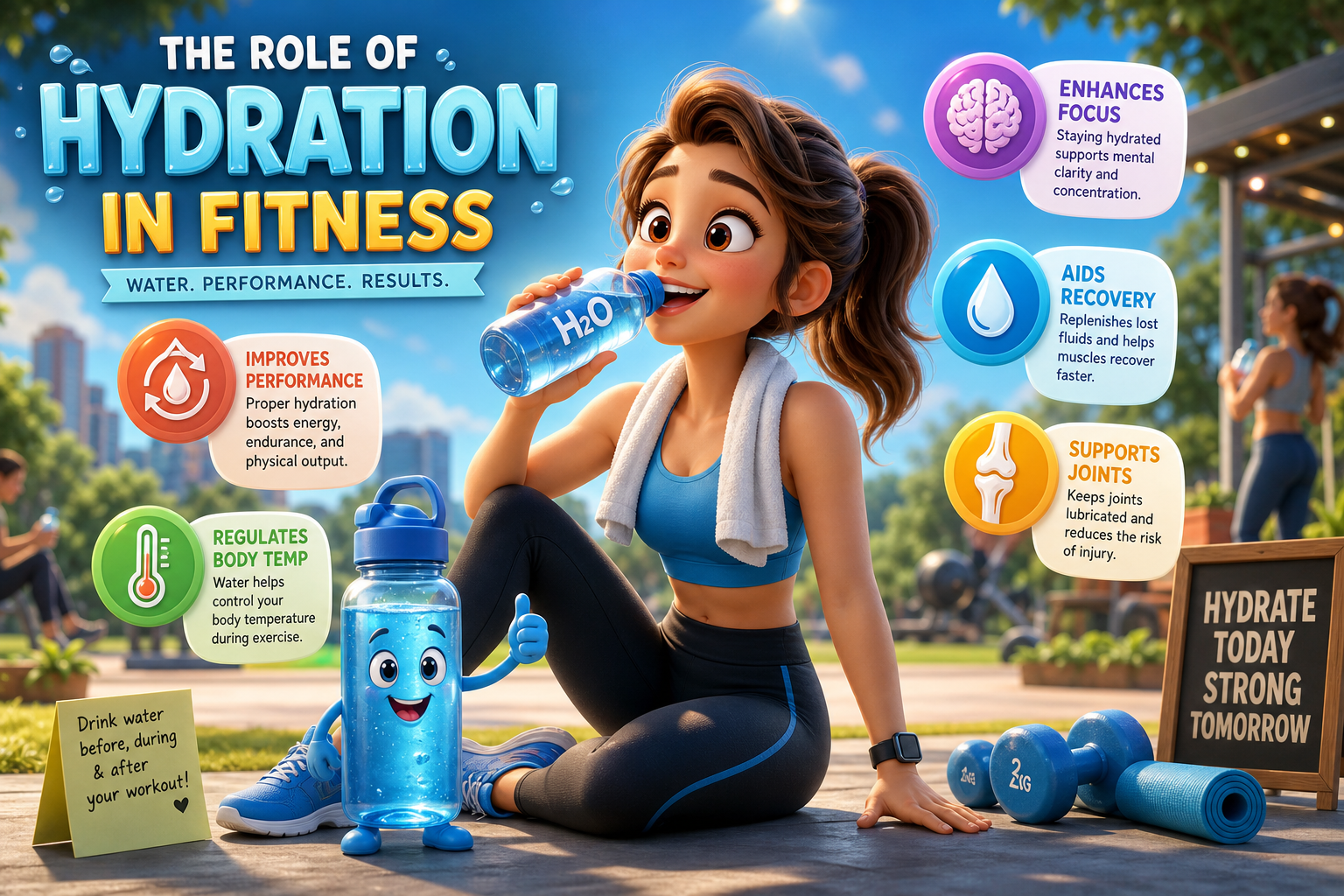
The Importance of Hydration in Fitness
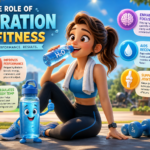
Hydration in fitness is vital for optimal performance and health. Water makes up about 60% of the human body. This percentage highlights how critical it is for bodily functions. Every single system in your body relies on proper water levels. When you exercise, your body loses water through sweat. This loss can lead to dehydration if not replenished properly. Staying hydrated helps regulate body temperature, lubricate joints, and transport nutrients. Without adequate hydration, your performance can decline significantly. You may experience fatigue, dizziness, and a lack of focus. Hence, understanding the role of hydration in fitness is essential for everyone, from casual gym-goers to professional athletes.
How Much Water Do You Need?
Determining your water needs depends on various factors. These include your age, gender, weight, and activity level. Generally, a common recommendation is to drink about 8 cups (64 ounces) of water daily. However, this can vary. For active individuals, the American Council on Exercise suggests drinking an additional 16 to 32 ounces of water for every hour of intense exercise. To make it simpler, you can use a formula based on your weight. A common guideline is to drink half your body weight in ounces. For example, if you weigh 160 pounds, aim for 80 ounces of water each day. Pay attention to your body. If you feel thirsty, it’s a sign you need to drink more.
Signs of Dehydration
Recognizing the signs of dehydration is critical for fitness enthusiasts. Early symptoms include dry mouth, fatigue, and dark yellow urine. These signs indicate your body requires more fluids. As dehydration worsens, you might experience headaches, dizziness, and muscle cramps. In severe cases, confusion and fainting can occur. It is important to take action if you notice these symptoms. Start by drinking water slowly, rather than gulping down large amounts. Consistent hydration is key to maintaining energy levels during workouts. Also, consider drinking electrolyte-rich beverages if exercising for extended periods. This can help replenish lost minerals.
Hydration Before, During, and After Exercise
The timing of hydration plays a significant role in overall fitness. Before exercising, aim to drink 16 to 20 ounces of water at least two hours prior to your workout. This helps ensure your body is well-hydrated. During exercise, drink about 7 to 10 ounces of water every 10 to 20 minutes. This is especially important for workouts lasting over an hour. After exercising, rehydrate by drinking 16 to 24 ounces of water for every pound lost during the workout. Weigh yourself before and after to gauge fluid loss accurately. This method helps you understand how much water your body needs for recovery.
Effects of Dehydration on Performance
Dehydration can significantly impact your physical performance. Even a loss of 1-2% of body weight can lead to decreased endurance. You may also notice a decline in strength and overall stamina. This can make workouts feel much more challenging. Additionally, dehydration can impair cognitive functions. You might find it harder to focus or make quick decisions during your workout. This is especially problematic in sports requiring coordination and reaction time. To avoid these negative effects, make hydration a regular part of your fitness routine. Keep water bottles handy and set reminders to drink throughout the day.
The Role of Electrolytes
Electrolytes are essential for hydration and overall health. They help regulate nerve and muscle function. Common electrolytes include sodium, potassium, magnesium, and calcium. During intense exercise, you lose not only water but also these vital minerals. This is where sports drinks can come in handy. They often contain electrolytes to help replenish what you lose. However, you can also get these minerals from food. Bananas are rich in potassium, while nuts provide magnesium. Adding a variety of fruits and vegetables to your diet can ensure you get enough electrolytes. Balance is key when considering hydration methods.
Hydration and Different Types of Workouts
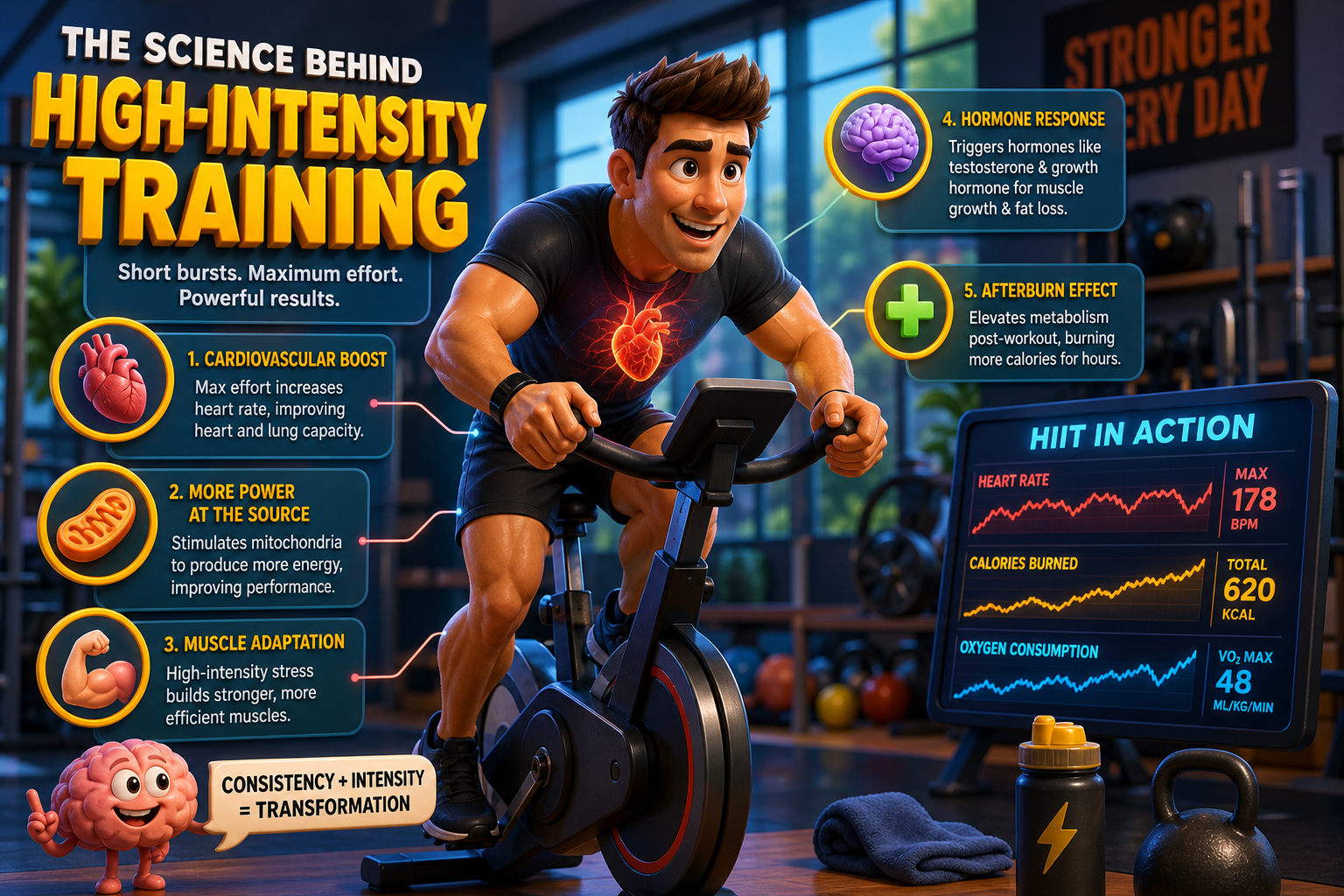
Different workouts require different hydration strategies. For endurance activities, such as long-distance running or cycling, hydration needs are higher. You may need to consume fluids more frequently. On the other hand, strength training may require less hydration during the workout. However, post-workout hydration is still essential for recovery. High-intensity interval training (HIIT) can lead to significant fluid loss in a short time. Therefore, be proactive in your hydration before and after these sessions. Tailor your hydration approach based on the type of exercise you plan to do. This ensures you maintain peak performance.
The Best Hydration Practices
Implementing effective hydration practices can greatly enhance your fitness journey. Start your day with a glass of water to kickstart your hydration. Carry a reusable water bottle with you throughout the day. This makes it easy to drink water regularly. You can also track your water intake using apps available in 2026, like MyFitnessPal or WaterMinder. These tools can help you stay accountable. Additionally, consider infusing your water with fruits or herbs to make it more enjoyable. Lemon, cucumber, and mint are popular choices. This can encourage you to drink more fluids.
Hydration Myths Debunked
There are many myths surrounding hydration that need clarification. One common myth is that you should only drink when thirsty. While thirst is a signal, it often indicates that your body is already dehydrated. Another misconception is that all fluids count toward hydration. While water is the best choice, some drinks can be dehydrating, like those with caffeine or high sugar content. It is also not true that you need to drink eight glasses of water daily, as individual requirements vary. Understanding these myths can help you make better hydration choices. This is important for achieving your fitness goals.
Hydration and Climate Considerations
The environment plays a significant role in hydration needs. Hot and humid conditions can increase fluid loss through sweat. In these situations, you may need to drink more water to compensate for the extra loss. Cold weather can also lead to dehydration, although you may not feel as thirsty. It is essential to be aware of your surroundings and adjust your hydration accordingly. During the summer months, aim to drink water before, during, and after outdoor activities. In colder climates, check your hydration levels regularly. Always be proactive in maintaining hydration regardless of the weather.
Special Considerations for Athletes
Athletes have specific hydration needs that can differ from casual exercisers. They may require tailored hydration strategies based on their sport and training intensity. Endurance athletes often benefit from electrolyte drinks during long sessions. It is important for them to monitor their sweat rate and adjust fluid intake accordingly. Additionally, athletes should pay attention to the timing of their hydration. Consuming fluids before, during, and after workouts can help maintain performance levels. Consulting with a sports nutritionist can provide personalized hydration plans. This will help optimize their training and competition performance.
Conclusion: Making Hydration a Habit
In conclusion, hydration in fitness is not just an option; it is a necessity. Making effective hydration a part of your daily routine can improve your overall health and fitness performance. By understanding your hydration needs, recognizing signs of dehydration, and implementing effective strategies, you can enhance your workouts. Remember, consistency is key. Stay aware of your body’s signals and drink water regularly. With the right practices, you will support your fitness goals and enjoy a healthier lifestyle.