








Understanding Workout Recovery
Workout recovery refers to the process your body goes through after physical activity. It is essential for muscle repair, energy restoration, and overall performance improvement. Recovery is not just about resting; it includes several strategies that can help you bounce back stronger. When you finish a workout, your muscles undergo stress and minor damage. Recovery allows these muscles to heal and grow. By understanding the importance of recovery, you can enhance your fitness journey. This not only reduces the risk of injury but also helps in achieving your fitness goals faster.
The Role of Hydration
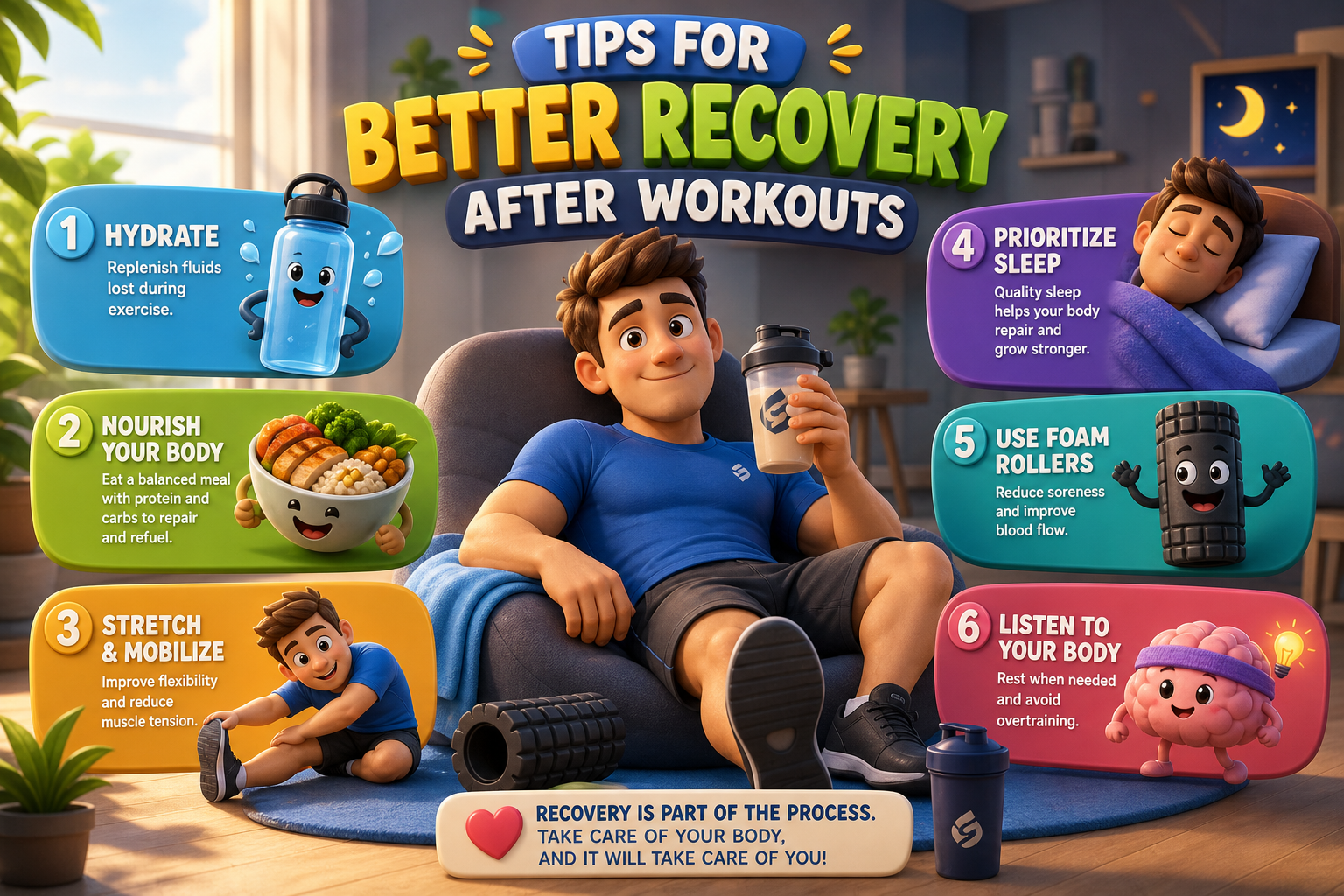
Hydration plays a critical role in workout recovery. When you exercise, you lose fluids through sweat. This loss can lead to dehydration, affecting your recovery. Drinking enough water helps replenish the fluids lost during your workout. Aim to drink at least 16-20 ounces of water within two hours after exercising. Consider adding electrolytes to your post-workout drinks, especially after intense sessions. Electrolytes help balance fluids in your body and improve muscle function. Carry a water bottle with you to ensure you stay hydrated throughout the day. Remember, staying hydrated can also enhance your energy levels and help you perform better in your next workout.
Nutrition for Recovery
Nutrition is another key factor in recovery. After your workout, your body needs nutrients to repair and build muscle. Focus on consuming a balanced meal that includes protein, carbohydrates, and healthy fats. Protein is essential for muscle repair; aim for at least 20 grams of protein within 30 minutes after exercising. Foods like chicken, fish, eggs, and plant-based options like beans or lentils are excellent sources. Carbohydrates help restore glycogen levels, which fuel your muscles. Include whole grains, fruits, and vegetables in your post-workout meals. Healthy fats, such as avocados and nuts, also support overall health. A well-rounded diet can speed up recovery and improve your performance for future workouts.
The Importance of Sleep
Sleep is vital for recovery. During sleep, your body repairs muscles, rebalances hormones, and restores energy. Aim for 7-9 hours of quality sleep each night. Lack of sleep can hinder recovery, leading to fatigue and decreased performance. Establish a regular sleep routine to enhance your sleep quality. Try to go to bed and wake up at the same time every day. Create a restful environment by keeping your bedroom dark and cool. Avoid screens before bedtime to improve sleep quality. Good sleep hygiene can significantly impact your recovery process, allowing you to feel refreshed and ready for your next workout.
Active Recovery Techniques
Active recovery involves low-intensity exercises that promote blood flow and help in muscle recovery. Activities like walking, swimming, or cycling at a gentle pace can aid in recovery without adding extra strain to your body. These activities help reduce muscle soreness and stiffness. Incorporate active recovery days into your weekly routine. For example, if you have intense workouts planned, follow them with a day of light activity. This approach helps maintain your fitness levels while promoting recovery. You can also consider yoga or stretching sessions to enhance flexibility and reduce tension in your muscles.
Stretching and Mobility Work
Stretching is an essential part of recovery. After a workout, your muscles can tighten, leading to stiffness. Incorporating stretching into your routine can improve flexibility and reduce soreness. Aim to stretch major muscle groups for at least 15-30 seconds each. Focus on areas that feel tense or tight after your workouts. Additionally, mobility exercises can help enhance your range of motion. Simple movements like arm circles, hip openers, and spinal twists can keep your body functioning well. Consider adding a stretching routine to your post-workout regimen to maximize your recovery and maintain overall mobility.
Utilizing Recovery Tools
Various recovery tools can enhance your post-workout routine. Foam rollers, massage balls, and percussion massagers can help release muscle tension and improve blood flow. Foam rolling can be particularly effective for targeting tight muscles. Spend a few minutes rolling out sore areas to alleviate discomfort. Percussion massagers provide a quick and efficient way to relieve muscle tightness. You can also try compression garments, which help improve circulation and reduce swelling. These tools are widely available and can be used at home or at the gym. Integrating recovery tools into your routine can make a significant difference in your overall recovery process.
Listening to Your Body
Finally, one of the most important tips for recovery is to listen to your body. Every individual is different, and recovery needs can vary. Pay attention to how your body feels after workouts. If you experience persistent soreness or fatigue, consider adjusting your workout intensity or frequency. It is okay to take a break or modify your routine when needed. Incorporate rest days into your schedule to allow your body to recover fully. Remember, taking care of your body is essential for long-term success. Prioritizing recovery will help you maintain motivation and prevent burnout.
In conclusion, implementing these tips for better recovery after workouts can significantly enhance your overall fitness journey. Ensure proper hydration, nutrition, and sleep while incorporating active recovery techniques and utilizing recovery tools. Stretching, mobility work, and listening to your body are also vital components of an effective recovery strategy. By following these guidelines, you can maximize your workout results and enjoy a more fulfilling fitness experience.