









Understanding Endurance in Sports
Endurance in sports refers to the ability to sustain physical activity over extended periods. It is a key factor in many sports, from running to swimming, and even team sports like soccer. Building endurance is not just about stamina; it involves a combination of cardiovascular fitness, muscular strength, and mental resilience. To improve endurance, athletes must engage in specific training routines, proper nutrition, and recovery strategies.
For example, a long-distance runner needs to develop both aerobic capacity and muscular endurance. This is achieved through different types of training, such as long runs at a steady pace, interval training, and tempo runs. Each of these elements plays a role in enhancing overall performance during competitions.
Understanding what endurance entails and how it affects your sport will help you create a tailored training plan. This plan should address your unique needs and goals, allowing for better preparation and performance.
Setting Goals for Endurance Training
Setting clear goals is essential when building endurance for sports. Specific, measurable, achievable, relevant, and time-bound (SMART) goals provide a roadmap for your training journey. For instance, instead of simply aiming to “run longer,” a more specific goal would be “run 5 kilometers in under 30 minutes within three months.” This clarity helps you stay focused and motivated.
Your goals should reflect your current fitness level and desired outcomes. Start by assessing where you are. Are you a beginner, or do you have some experience? From there, determine what you want to achieve. Do you want to train for a marathon, improve your cycling speed, or enhance your performance in a team sport?
Once you have clear goals, create a timeline and a training plan. Include benchmarks to track your progress. Celebrate small victories along the way to keep your motivation high. This structured approach will ensure you stay on track and make tangible progress in your endurance training.
Incorporating Aerobic Training
Aerobic training is important for building endurance. It focuses on activities that improve your heart rate and improve your cardiovascular system. Common aerobic exercises include running, cycling, swimming, and rowing. These activities help increase your body’s ability to transport oxygen to your muscles, enhancing your overall stamina.
When integrating aerobic training into your routine, start with steady-state workouts. For instance, begin by jogging at a comfortable pace for 20 to 30 minutes. Gradually increase the duration and intensity as your fitness improves. Aim for at least three to four aerobic sessions per week.
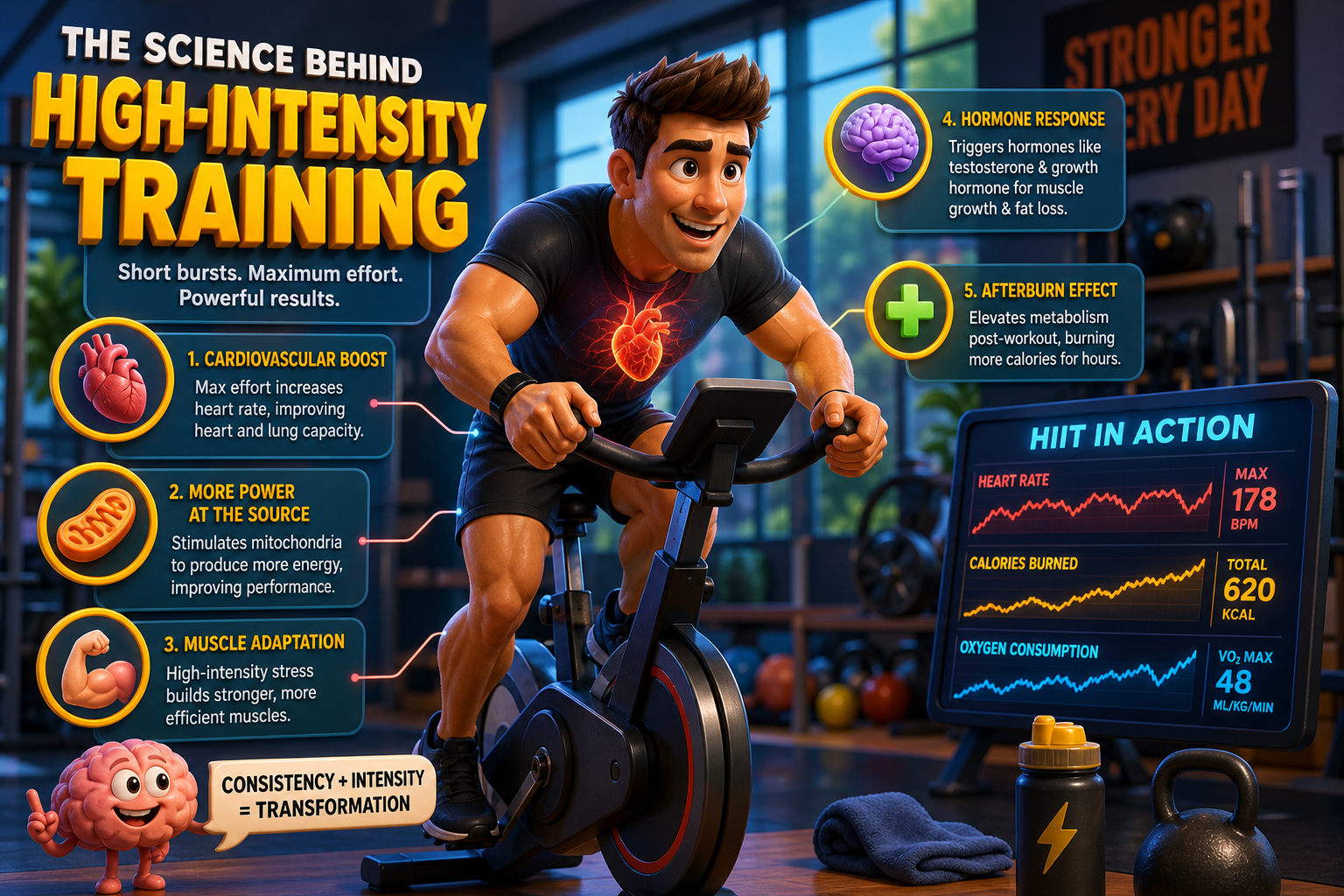
In addition to steady-state workouts, consider incorporating interval training. This involves alternating between high-intensity bursts and lower-intensity recovery periods. For example, sprint for one minute and then walk for two minutes. This method boosts cardiovascular fitness effectively and can lead to significant endurance gains.
Strength Training for Endurance
While aerobic training is essential, strength training also plays a vital role in building endurance. Strong muscles can perform better for longer periods, reducing fatigue and the risk of injury. Therefore, incorporating strength training into your routine can lead to improved endurance in your sport.
Focus on compound exercises that engage multiple muscle groups, such as squats, deadlifts, lunges, and bench presses. Aim for two to three strength training sessions each week, targeting different muscle groups. Use lighter weights with higher repetitions to enhance endurance rather than maximum strength.
For instance, performing three sets of 15 to 20 repetitions of squats can help build the muscular endurance needed for activities like running or cycling. Additionally, consider bodyweight exercises like push-ups and pull-ups, which can be done anywhere and are effective for building strength.
The Role of Nutrition in Endurance Training
Nutrition is a critical component of building endurance. Your body needs the right fuel to perform well and recover effectively. A balanced diet rich in carbohydrates, proteins, and healthy fats will support your training efforts. Carbohydrates are especially important as they provide the primary energy source for endurance activities.
Include whole grains, fruits, and vegetables in your meals to ensure you get enough carbohydrates. For example, consuming oatmeal or whole-grain bread before a workout can provide sustained energy. Likewise, after training, focus on protein sources like chicken, fish, or legumes to help repair and build muscles.
Hydration also plays a significant role in performance. Dehydration can lead to fatigue and decreased endurance. Aim to drink water regularly throughout the day, and consider electrolyte drinks during long training sessions. This will help maintain optimal hydration levels and improve your endurance during workouts.
Rest and Recovery Strategies
Rest and recovery are often overlooked but are essential for building endurance. Training hard without adequate recovery can lead to burnout and injuries. Incorporating rest days into your training schedule allows your body to repair and strengthen, enabling you to perform better in the long run.
Listen to your body and recognize the signs of fatigue. If you feel overly tired or experience persistent soreness, consider taking an extra rest day. Active recovery activities, like walking or gentle yoga, can also promote blood flow and help you recover without putting additional strain on your body.
Moreover, prioritize quality sleep. Aim for 7 to 9 hours of sleep each night to allow your body to recover fully. Good sleep hygiene, such as maintaining a consistent sleep schedule and creating a restful environment, can significantly impact your performance and endurance-building efforts.
Monitoring Progress and Making Adjustments
Monitoring your progress is vital in your journey to build endurance. Keeping track of your workouts, nutrition, and recovery will help you understand what works and what needs adjustment. Use a training journal or an app to log your sessions, noting distances, times, and how you felt during each workout.
Regular assessments, such as time trials or distance tests, can help you measure improvements. For example, if your goal is to run 10 kilometers, periodically check your time and distance to see if you are progressing. If you notice a plateau, it may be necessary to adjust your training intensity, volume, or nutrition.
Additionally, seek feedback from coaches or training partners. They can provide insights on your technique and suggest areas for improvement. This ongoing evaluation will ensure your training remains effective and aligned with your endurance goals.
Staying Motivated Throughout the Journey
Endurance training can sometimes feel daunting, and staying motivated is essential. Set short-term goals alongside your long-term objectives to keep your spirits high. Celebrate your achievements, no matter how small, and remind yourself of why you started.
Joining a group or finding a training partner can also enhance motivation. Training with others creates a sense of community and accountability. You can share experiences, tips, and challenges, making the journey more enjoyable.
Lastly, remember to vary your workouts. Trying new activities, such as cycling, swimming, or group fitness classes, can keep your routine fresh and exciting. This variety not only helps prevent boredom but also challenges your body in new ways, contributing to your overall endurance.