






Introduction to Home Workout Routines
Creating a home workout routine can be a game changer for your fitness journey. It allows you to exercise at your own pace without the hassle of a gym commute. In 2026, many people are embracing home workouts due to their convenience and flexibility. Whether you are a beginner or an experienced fitness enthusiast, a personalized routine can help you reach your fitness goals. In this guide, we will explore how to create an effective home workout routine tailored to your needs.
Understanding Your Fitness Goals
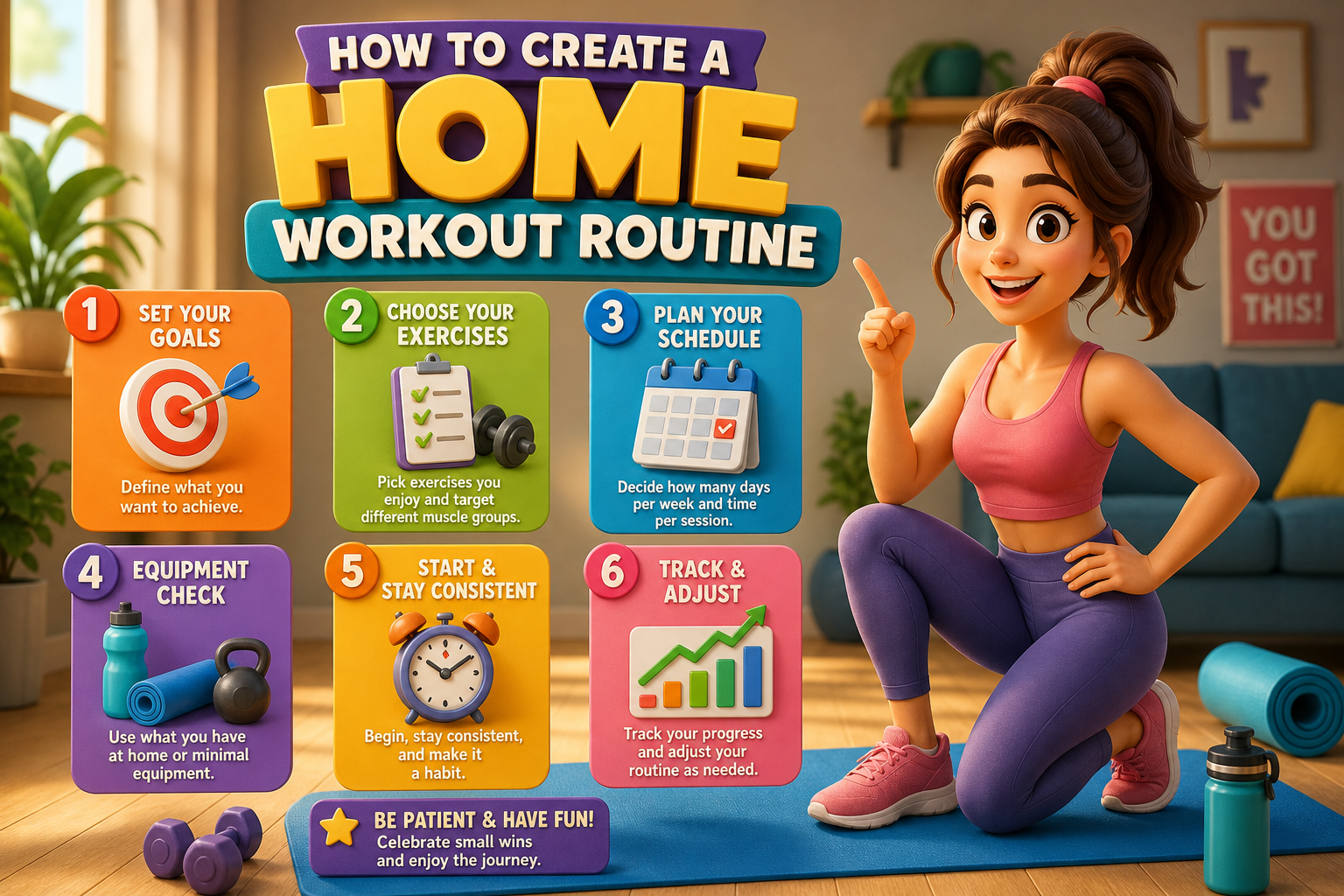
Before starting any workout routine, it is essential to identify your fitness goals. Are you looking to lose weight, build strength, or increase flexibility? Setting clear, realistic goals will give your workouts direction. For example, if your goal is weight loss, you might focus on cardio and strength training. On the other hand, if you want to gain muscle, your routine should include resistance training. Write down your goals and keep them visible. This will help you stay motivated and accountable.
Long-term vs Short-term Goals
When setting goals, consider both long-term and short-term objectives. Long-term goals may include losing a specific amount of weight or completing a race. Short-term goals can be more immediate, like finishing a workout each day for a week. Celebrating small victories can boost your confidence. For instance, if you finish a challenging workout or increase your running distance, take a moment to acknowledge your achievement. This positive reinforcement will help you stay committed to your home workout routine.
Assessing Your Current Fitness Level
Understanding your current fitness level is vital to creating an effective home workout routine. You can assess your fitness by trying out various exercises. For instance, see how many push-ups or squats you can do in one minute. Assess your endurance with a timed running or walking distance. This assessment will help you determine where to start and how to progress. Remember, everyone has different starting points, so do not compare yourself to others.
Fitness Tests to Consider
There are several simple tests you can perform at home. For example, the plank test measures core strength. Time how long you can hold a plank position. Another test is the sit-and-reach test, which checks your flexibility. Sit on the floor and reach towards your toes. Record how far you can reach. These tests will give you a baseline to track your progress over time. Adjust your workout routine based on your assessments to ensure personal growth.
Choosing the Right Equipment
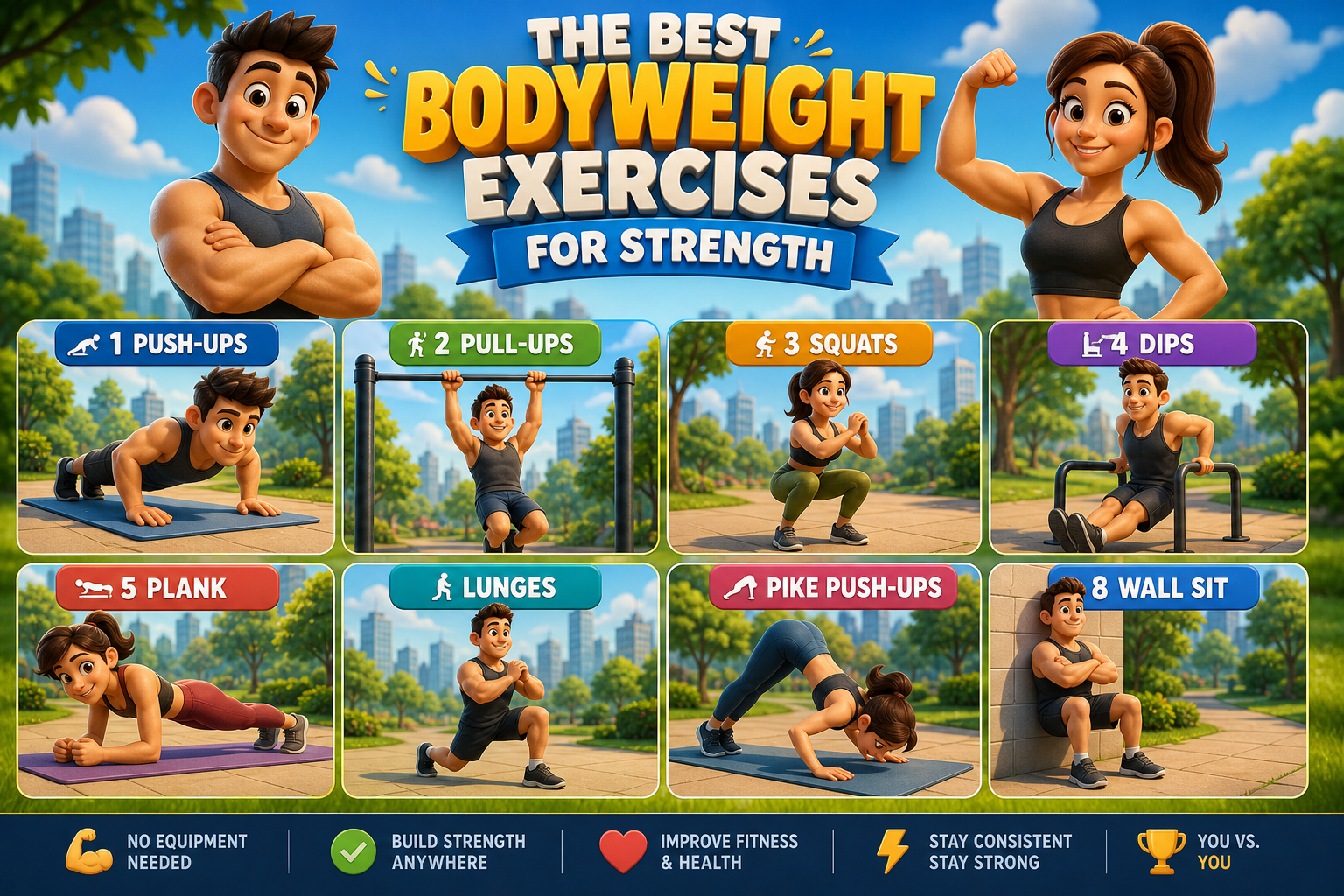
Your home workout routine can be effective with or without equipment. If you choose to use equipment, select items that fit your goals and available space. In 2026, popular home workout equipment includes resistance bands, dumbbells, and kettlebells. These items are versatile and can be used for various exercises. If you prefer a no-equipment approach, bodyweight exercises like push-ups, squats, and lunges can also provide excellent results.
Budget-Friendly Options
Buying gym equipment can be expensive, but there are budget-friendly options available. You can find second-hand equipment at local marketplaces or consider DIY solutions. For instance, use filled water bottles as weights or a sturdy chair for step-ups. Additionally, many online resources offer bodyweight workouts that require no equipment at all. Explore your options and choose what works best for you without breaking the bank.
Creating a Balanced Workout Plan
A balanced workout plan includes a mix of cardiovascular exercise, strength training, and flexibility work. Aim for at least 150 minutes of moderate aerobic activity each week. Incorporate strength training exercises two or more times a week. Flexibility training, like yoga or stretching, can enhance your overall performance and help prevent injuries. A well-rounded routine will keep your workouts interesting and effective.
Sample Weekly Schedule
Consider this sample weekly schedule: On Monday, focus on strength training with weights. Tuesday can be a cardio day, such as jogging or cycling. Wednesday is perfect for yoga or stretching. Repeat strength training on Thursday, and do a different cardio workout on Friday. Take Saturday as an active recovery day with a light walk, and rest on Sunday. Adjust this schedule according to your preferences and availability. This structure can help you maintain consistency.
Incorporating Warm-Ups and Cool Downs
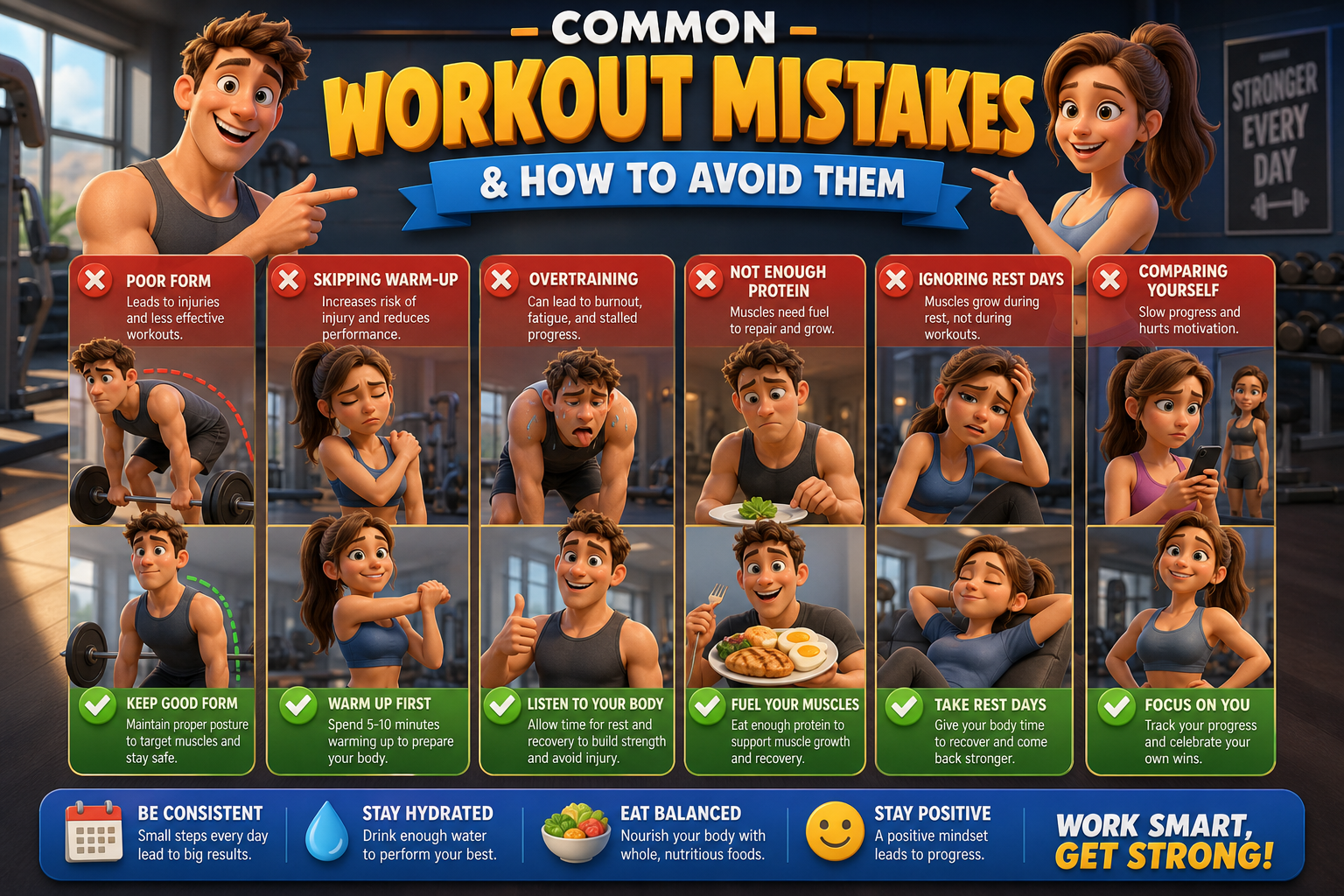
Warming up before exercise and cooling down afterward are critical components of any home workout routine. Warming up prepares your body for the workout, reducing the risk of injury. It increases blood flow to your muscles and enhances flexibility. Spend 5 to 10 minutes doing light cardio, such as marching in place or jumping jacks, followed by dynamic stretches.
Effective Warm-Up Techniques
Some effective warm-up techniques include arm circles, leg swings, and torso twists. These movements help increase your heart rate and prepare your muscles. After your workout, take 5 to 10 minutes to cool down. This phase helps your body transition back to a resting state. Slow walking and static stretching are excellent ways to cool down. Stretch major muscle groups to improve flexibility and reduce soreness.
Tracking Your Progress
Tracking your progress is essential for staying motivated and making adjustments to your home workout routine. Keep a fitness journal or use mobile apps to log your workouts, including exercises performed, sets, and repetitions. This practice allows you to see your improvements over time, which can be very encouraging.
Utilizing Technology
In 2026, many fitness apps and wearable devices can help you track your progress. For example, apps like MyFitnessPal and Strava allow you to log workouts and monitor your nutrition. Wearable devices like fitness trackers can track your heart rate, steps, and calories burned. These tools can provide valuable insights into your fitness journey. Make the most of available technology to stay on track.
Staying Motivated
Staying motivated is often one of the biggest challenges when working out at home. To maintain your enthusiasm, set specific, achievable goals and celebrate your accomplishments. Find a workout buddy or join online fitness communities to share your journey. Engaging with others can make exercising more enjoyable and provide accountability.
Fun and Variety
Incorporating variety into your workouts can also help keep motivation high. Try new exercises, change your workout environment, or explore different workout styles like HIIT, Pilates, or dance. You might discover new passions and keep your routine fresh. Remember, the key is to enjoy the process, so find activities that make you happy.
Adapting Your Routine Over Time
Your home workout routine should evolve as your fitness level improves. Regularly reassess your goals and progress. As you become stronger and fitter, you may need to increase the intensity of your workouts. This can include adding weights, increasing repetitions, or trying more challenging exercises. Adapting your routine keeps it effective and engaging.
Listening to Your Body
Listening to your body is important for a successful home workout routine. If you feel pain or extreme fatigue, take a break or modify your exercises. Rest days are just as important as workout days. They give your body time to recover and rebuild. Remember that fitness is a lifelong journey, and being patient with yourself is essential.
Finding Online Resources
In 2026, countless online resources can support your home workout routine. YouTube is an excellent platform for finding free workout videos. Many fitness trainers offer guided sessions for various fitness levels and goals. Consider subscribing to fitness apps that provide structured workout plans and virtual coaching. These resources can help you stay accountable and inspired.
Community Support Platforms
Online platforms like Instagram and TikTok also feature fitness influencers sharing tips and routines. Engaging with these communities can offer inspiration and motivation. You can find workout challenges, nutrition advice, and success stories that resonate with your journey. Connecting with others in these spaces can enhance your commitment to your home workout routine.
Conclusion: Your Home Workout Journey
Creating a home workout routine is about finding what works best for you. With the right mindset, goals, and resources, you can achieve fitness success from the comfort of your home. Remember to assess your fitness levels, choose the right equipment, and stay motivated. Adapt your routine as you progress, and always listen to your body. Embrace the journey, and enjoy the benefits of a healthier lifestyle.